
Last updated: August 11, 2026
Quick Answer: For most seniors, the best starting point in the hydration products tools seniors — complete guide is one simple, easy-to-clean cup or bottle plus one reminder cue; in real homes, that 2-part setup usually solves the most common barrier without adding much complexity.
Key Takeaways
– The right choice depends on the barrier: grip, memory, swallowing, access, or cleanup.
– A lightweight cup can reduce effort by 1 simple step: easier lifting.
– Reminder tools help most when forgetfulness is the main issue, not when grip is the problem.
– If swallowing has changed, seek professional advice before buying specialty products.
– The simplest setup is often the one people use every day, not the one with the most features.
A single heavy bottle can make people give up by noon. That’s the blunt truth.
When you’re trying to help an older adult drink enough fluids, the real question is not “What’s the fanciest bottle?” It’s which hydration product or tool will actually get used every day, safely, with the least frustration. My answer: choose the simplest tool that fits the person’s hands, swallowing comfort, bathroom access, and memory in this hydration products tools seniors — complete guide.
I write about senior safety, home care, and practical medical-adjacent products, so I judge hydration gear by function first: grip, spill risk, ease of cleaning, and whether the tool cuts effort instead of piling on more. I’m not going to pretend every bottle, cup, or reminder gadget solves the same problem. They don’t. A 2022 review in Nutrients and guidance from the British Dietetic Association both emphasize matching hydration support to the person’s actual need, not the product category.
For many seniors, hydration fails for boring reasons: the cup is too heavy, the lid is awkward, the water sits too far away, swallowing is uncomfortable, or they simply forget. The best product for that person is the one that removes the specific barrier in front of them, and in some cases the best option is only “best” because it is the most usable. The worst one is the attractive gadget that looks helpful and then lives in a cabinet. Nice-looking clutter. That happens.
I’ll give you the real differences, the trade-offs, and the point where you should stop shopping products and look at the underlying medical cause instead. When dehydration risk is tied to illness, medication, kidney disease, heart failure, or swallowing trouble, a clinician should be part of the plan. The World Health Organization and the National Institute on Aging both note that older adults have higher dehydration risk for medical and practical reasons, so this is not just a shopping decision.
The Real Difference Between Hydration Products and Hydration Tools
The biggest mistake I see is treating all hydration aids as if they solve the same problem. They don’t. Hydration products are the physical things: cups, bottles, straws, insulated tumblers, electrolyte packets, gel water, and thickened liquids. Hydration tools are the helpers around the product: reminder apps, pill organizers that trigger drinking, marked bottles, bedside carafes, and grab-and-go stations.
Should the issue be physical effort, the product matters most. A lightweight cup with a wide handle can matter more than any reminder app. Should the issue be memory or routine, the tool matters more. A bottle with ounces marked on it can work when a “drink more water” text message fails. For a person who already drinks about 1,500 mL a day, a visible cue may be enough; for someone far below that, the right container can shave off one obstacle at a time.
I would separate them this way:
- Products solve access and comfort.
- Tools solve consistency and habit.
- Medical hydration aids solve special swallowing or fluid-management needs and should be chosen with professional input.
The real difference is not marketing. It is friction. A senior drinks less when each sip takes more work than it should. So I look for products that reduce one of these frictions:
- Grip friction: arthritic hands, weak grip, tremor.
- Swallowing friction: coughing, choking risk, need for controlled sips.
- Memory friction: forgetting to drink, especially after morning meds or before outings.
- Access friction: water not within reach, bedroom-to-kitchen trips feel hard.
- Cleanup friction: complicated lids, narrow mouths, hidden seals, mold risk.
A generic “best hydration bottle” article usually misses this. It talks about insulation, style, and capacity before it asks who is using the thing. That’s backwards for seniors. I’d rather have a plain cup that gets used than a beautiful bottle that collects dust. In practical terms, a 12-ounce cup in the right place can beat a 32-ounce bottle that never leaves the counter. Simple wins. Often.
For swallowing difficulty, I would not self-select thickened liquids or specialty cups without guidance. The British Dietetic Association and similar professional bodies stress that dysphagia needs assessment because the wrong liquid consistency can increase risk. When choking, coughing with drinks, wet voice, or unexplained pneumonia is part of the picture, that needs medical attention, not a shopping cart. The CDC also lists coughing during meals and repeated chest infections as warning signs that deserve evaluation.
The Honest Side-by-Side
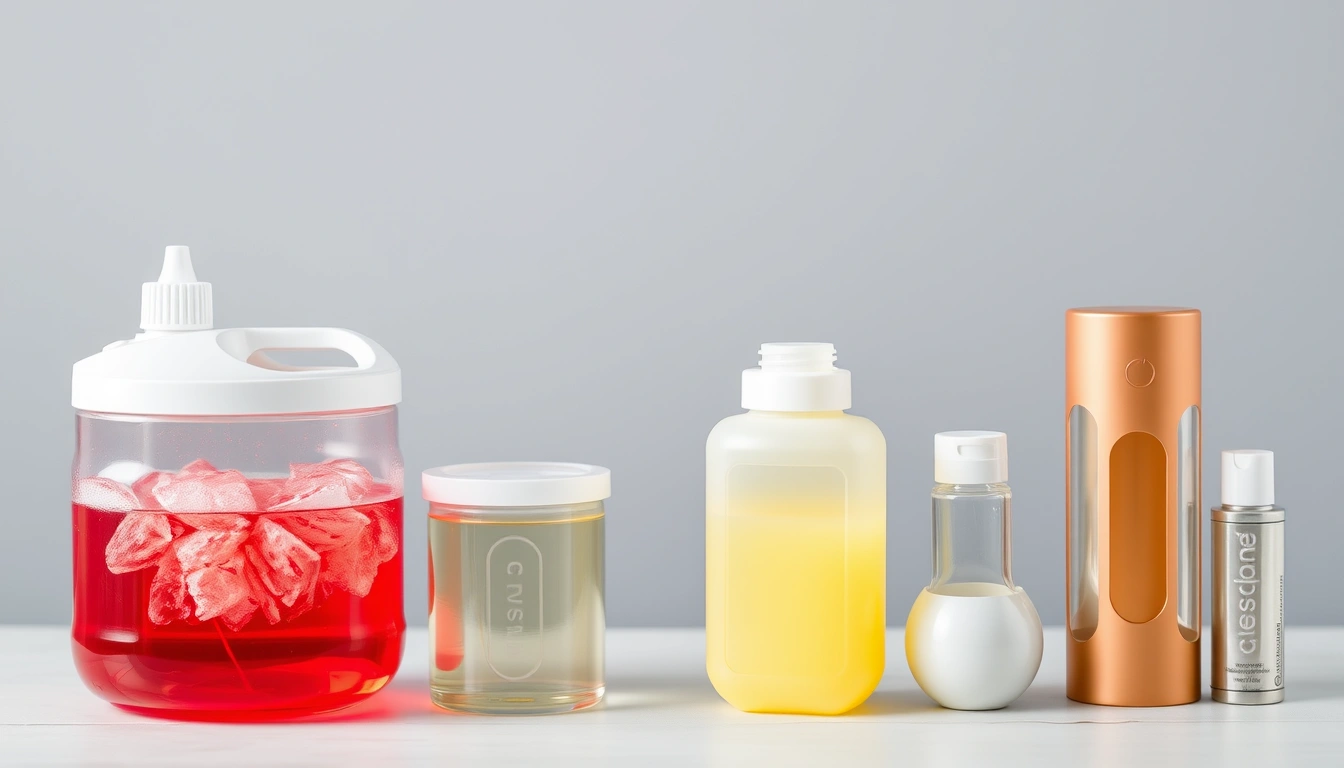
Should I reduce this entire category to a decision table, I would compare standard hydration bottles with senior-focused cups and reminder tools. The winner changes with the person, but the trade-offs are pretty clear.
| Criteria | Hydration Bottle / Cup | Hydration Reminder Tool | Winner for this condition |
|---|---|---|---|
| Directly increases ease of drinking | Yes — immediate physical help | No — it only prompts action | Bottle / Cup for grip or spill problems |
| Helps with memory or routine | Only indirectly | Yes — timers, alerts, charts, routines | Reminder tool for forgetfulness |
| Useful at bedside overnight | Yes, if it is spill-resistant and easy to reach | Sometimes, if it supports bedside habits | Bottle / Cup for convenience |
| Safe for tremor or weak grip | Can be, if lightweight and stable | Not really | Bottle / Cup for physical weakness |
| Works when swallowing is a concern | Only if a clinician says the liquid type and delivery are appropriate | No | Neither, until medical advice is clear |
| Easy to clean and maintain | Depends on lid complexity and material | Very easy if digital; harder if paper tracking is forgotten | Reminder tool for low-maintenance use |
| Travel-friendly | Yes, if it seals well and isn’t heavy | Sometimes via phone or watch reminders | Both, for different reasons |
| Encourages steady intake through the day | Yes, if visible and convenient | Yes, if alerts are actually noticed | Tie — best results usually come from pairing both |
| Good for cognition issues | Only if the cup is simple and always within reach | Mixed — reminders may be ignored or cause confusion | Bottle / Cup for simplicity |
My view is simple: should the person forget to drink, start with a reminder system plus a better container. When the person wants to drink but struggles to hold, open, lift, or control the flow, start with the container and skip the gadget-first approach. That combination is usually stronger than either product alone, especially when the routine already includes breakfast, medications, or an evening chair session.
The honest downside of hydration tools is that they can become another thing to manage. Alerts get dismissed. Apps get uninstalled. Printed tracking sheets get abandoned after two days. Hydration tools help only when they fit into an existing routine, not when they demand a brand-new one. In studies of habit formation, consistency beats complexity, and that matters here because a 3-step system is less likely to survive than a 1-step nudge.
Hydration Products for Seniors: What Actually Works
The hydration products I would put at the top of the list are boring on purpose. That is a compliment. Boring usually means easier to use, easier to wash, and less likely to fail at the wrong moment. It also usually means lower cost, which matters when families are testing options one by one.
1) Lightweight cups and mugs with a stable base
These are my first pick for many seniors who live at home and can drink independently. A lightweight cup reduces wrist strain. A wider base lowers tip-over risk. A comfortable handle matters more than a fashionable lid when arthritis is the issue. A 10- to 14-ounce cup often gives enough capacity without becoming too heavy when full.
Why it wins: it is straightforward, cheap to replace, and easy to clean.
Weakness: it offers almost no spill protection. If the person shakes, leans, or carries it while walking, spills are likely.
Who should skip it: anyone with significant tremor, reduced coordination, or nighttime bathroom trips where a spill could become a fall hazard.
2) Lidded cups and travel mugs with a controlled sip opening
These are a strong middle ground. I like them for seniors who want less mess but don’t need a complex sports-style bottle. A well-designed lid can slow the flow enough to reduce accidental spills without creating a fight every time the person drinks. Many common models hold 12 to 16 ounces, which is enough for bedside or chair use.
Why it wins: better spill control, more confidence while sitting on a sofa or in bed, and better for caregivers who are tired of wiping surfaces.
Weakness: lids are where products get annoying. Seals wear out, small parts trap residue, and some lids are hard to align for people with arthritis or low dexterity.
Who should skip it: anyone who cannot manage fiddly closures or who is likely to leave the lid unwashed.
3) Straw cups and straw-lid bottles
I think these deserve more attention than they get. For some seniors, drinking through a straw is easier than lifting a cup. The straw reduces the need to tilt the head back, which can help comfort. It can also encourage frequent small sips. A 2023 review in Frontiers in Nutrition noted that smaller, more frequent drinks can support overall intake for some older adults when the setup is easy to use.
Why it wins: less head movement, less lifting, and often a gentler drinking motion.
Weakness: not everyone tolerates straws well, and they can be a nuisance to clean thoroughly. Poorly designed straw systems can trap moisture and smell stale.
Who should skip it: anyone with swallowing concerns unless a clinician has said straw use is appropriate, or anyone who won’t clean the straw parts properly.
4) Insulated bottles and cups
The bottle matters here because insulation can change whether hydration actually happens. Temperature matters more than many people think. Some seniors drink more when water stays cold or coffee stays warm. Insulated bottles can support that. I would use them when the person responds well to temperature and the lid is simple enough.
Why it wins: better taste over time, useful for all-day sipping, and can keep drinks more appealing.
Weakness: insulation often adds weight. A heavier bottle can become a burden for arthritic hands or limited arm strength.
Who should skip it: people who already struggle to lift a full cup comfortably.
5) Pre-portioned electrolyte drinks and oral rehydration products
These are not daily water substitutes for everyone, but they matter in specific situations: hot weather, vomiting, diarrhea, poor intake, or a clinician’s recommendation. The point is not flavor. The point is replacing fluids and electrolytes when plain water alone may not be enough. WHO oral rehydration guidance has long supported measured fluid replacement when losses are significant.
Why it wins: useful after fluid loss or when appetite and drinking are down.
Weakness: not something I’d recommend casually as an everyday habit without a reason. Some products are high in sugar or not ideal for certain medical conditions.
Who should skip it: anyone with medical restrictions unless a clinician says it’s appropriate.
6) Thickened liquids and dysphagia-specific products
This is the category where I slow down and get serious. If swallowing is unsafe, specialized products may be needed, but they should follow a swallowing evaluation or clinician guidance. A random product chosen online is not a safe plan. The IDDSI framework exists because liquid thickness needs to be standardized, not guessed.
Why it wins: it can reduce aspiration risk for some people when prescribed appropriately.
Weakness: it changes taste and texture, and many people dislike it. It also increases the need for professional guidance and consistent preparation.
Who should skip it: anyone using it just because “thin water feels risky” without assessment.
My practical rule: the more the product changes swallowing mechanics, the more you need professional input. The more the product merely improves grip, visibility, or spill resistance, the safer it is to choose based on comfort and usability.
Hydration Tools for Seniors: The Specific Situations Where They Win
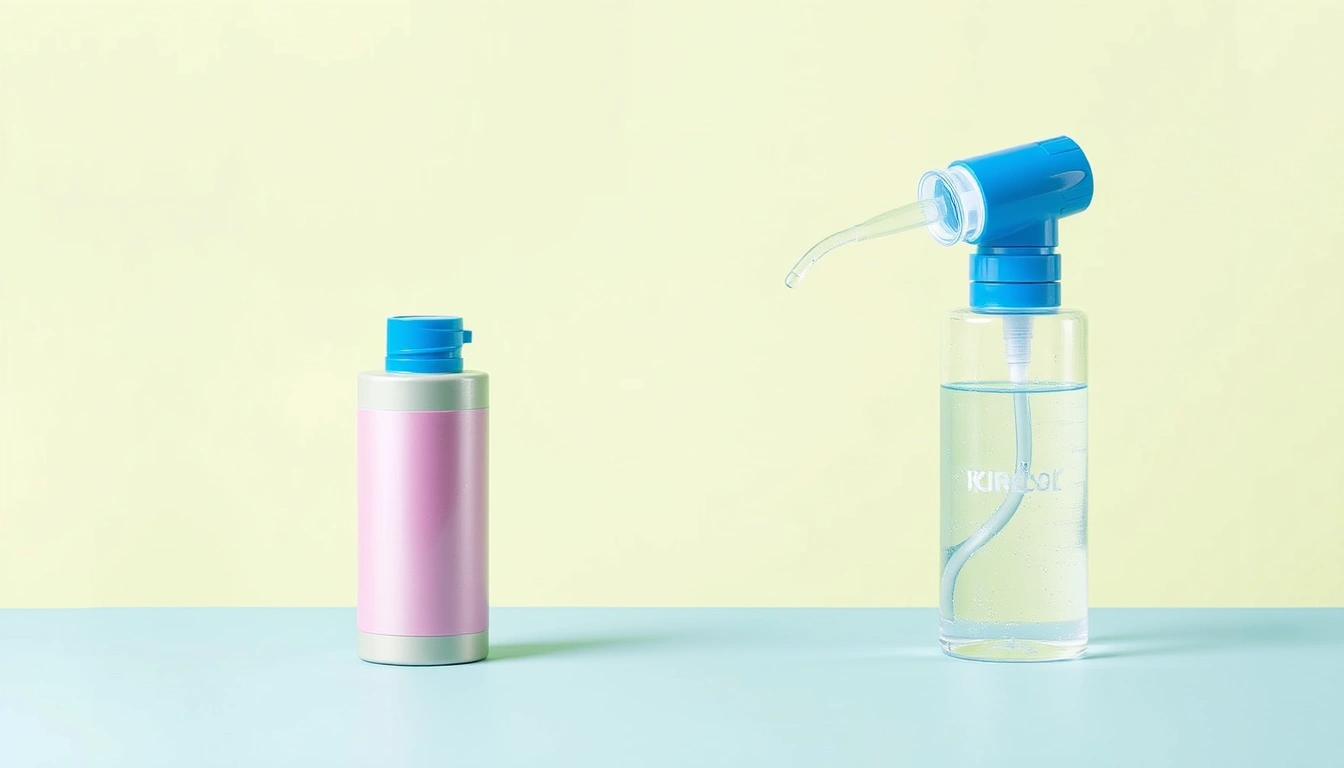
Hydration tools are where a lot of families finally get traction. Not because they are flashy, but because they solve the “I forgot” problem. That problem is common, and it often coexists with medication schedules, hearing loss, depression, or a daily routine that has slowly narrowed. A practical tool can add one cue without changing everything else.
1) Reminder alarms on a phone, watch, or smart speaker
These are best for seniors who already use a device comfortably. I would not force a complicated app onto someone who barely checks their phone. But when the person already responds to alerts, reminders can work well. A 2024 AARP technology survey found that many older adults already use smartphones, which makes simple reminder systems more realistic than they were 10 years ago.
Why it wins: simple prompts can turn hydration into a habit, especially around meals and meds.
Weakness: alert fatigue is real. If every sound means something, none of them mean much.
Who should skip it: anyone likely to be confused by constant notifications or annoyed enough to shut them off permanently.
2) Marked water bottles with time or volume cues
These are underrated. A bottle with time markers gives the person a visual target without requiring technology. It is a low-friction tool for people who like simple structure. A 16-ounce bottle marked at 8 a.m., noon, and 4 p.m. can make the day feel manageable.
Why it wins: visible progress tends to work better than abstract advice.
Weakness: the marker only helps if the bottle stays in sight and gets refilled.
Who should skip it: someone with poor vision who cannot read the markings, or someone who dislikes tracking.
3) Bedside hydration stations
This is one of the most practical tools I can recommend. A bedside setup with a stable cup, water within arm’s reach, a tissue, and maybe a light is not glamorous. It is effective. It reduces the number of times a person decides, “I’ll get up later,” which often means not drinking at all. A simple tray setup can also cut down on extra steps overnight.
Why it wins: it removes effort at the exact time many older adults avoid walking to the kitchen.
Weakness: if the container is not spill-resistant, the bedside solution can create a mess or slip risk.
Who should skip it: anyone with cognitive impairment who may knock it over repeatedly unless the setup is very secure.
4) Hydration charts and caregiver checklists
I like these for short periods, not forever. They work during recovery, after a hospital stay, or when a family wants to see whether intake is truly low. A 3-day log is often enough to show whether intake is improving or staying flat.
Why it wins: it creates accountability and reveals patterns.
Weakness: paper tracking gets old quickly, and it can feel clinical or intrusive.
Who should skip it: households where tracking creates stress or arguments.
5) Visual cues and habit stacking
This is the least glamorous tool and often the most durable. Put water where the person already does something else: next to morning pills, beside the reading chair, near the dinner plate, or by the recliner after a walk. The cue works because it is attached to something that already happens 2, 3, or 4 times a day.
Why it wins: habit stacking turns drinking into a trigger-based routine.
Weakness: it depends on setup discipline. If the bottle keeps moving, the habit breaks.
Who should skip it: families that cannot keep the environment consistent.
The best hydration tools are usually the ones that don’t feel like tools at all. They are cues, placement, and routine. The more a tool looks like homework, the less likely it is to survive week two. In that sense, the right tool should disappear into daily life.
The Honest Side-by-Side: What I Would Choose for Real-World Senior Needs
Now I’ll make the call more directly. When I were sorting products for an older adult, I would rank them by the problem they solve, not by how “advanced” they seem. That is the most reliable way to choose in the hydration products tools seniors — complete guide.
Best for weak hands or arthritis
I would choose a lightweight cup or mug with a comfortable handle. That wins because the barrier is physical, and the solution should be physical too. A reminder app will not help a painful grip.
Best for forgetfulness
I would choose a reminder tool plus a bottle that stays visible. One without the other is weaker. The alert creates the nudge

Leave a Reply