
Last updated: October 24, 2026
Key Takeaways
- The exact daily fluid limit should come from the care team, not memory or advice from others.
- Log drinks as you go so your heart failure fluid plan stays accurate all day.
- Use small, planned relief for thirst instead of reflexively pouring a full glass.
- Morning weight and ankle swelling can warn you earlier than severe shortness of breath.
Heart failure fluid management means drinking enough to avoid dryness without pushing your body past the fluid limit your cardiologist set. If you are an older adult, How to Hydrate Safely With Heart Failure as an Older Adult starts with matching drinks, daily weight, swelling, and breathing changes to the care plan you already have.
Start with the fluid limit your cardiologist gave you
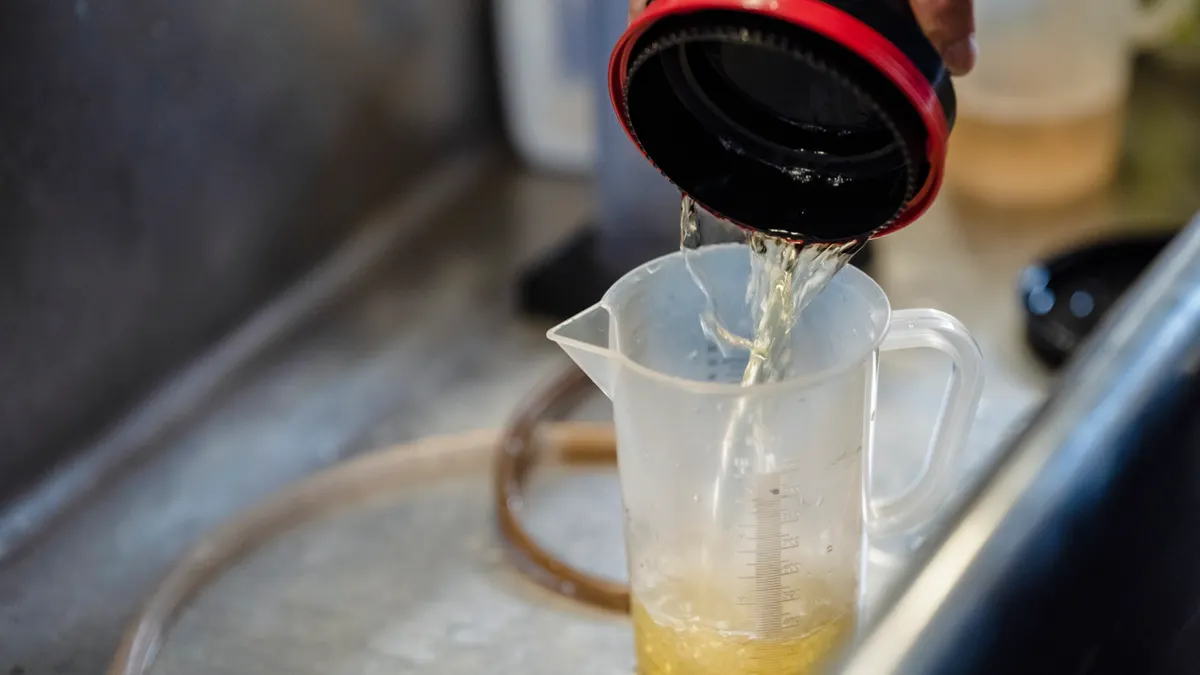
Your fluid limit is the number that controls everything else, so the first step is to write it down in ounces or milliliters and keep it where you can see it. A person might hear “1.5 liters a day” or “2 liters a day,” but the exact amount should come from the care team, not from memory or a friend’s advice.
Use that number as the day’s ceiling, not a suggestion. Count water, coffee, tea, milk, soup, juice, gelatin, popsicles, and any liquid that melts at room temperature. A mug that looks small may still hold 8 to 12 ounces, so measuring once with a marked cup or kitchen measuring cup can help, and you can confirm the right container with the care team if you are unsure.
This step worked if you can answer three questions without guessing: How much can I have today? What counts toward that total? What do I do if I go over by a few ounces? If the answer to the last question is unclear, call the office that manages the heart failure plan and ask for the rule in plain language.
A fluid limit is not the same as a “drink less whenever possible” order. Some older adults with heart failure also take diuretics, and those medicines can change thirst and bathroom timing. The safest move is to follow the number you were given and not invent a stricter limit on a hard day, or a looser one on a hot day, unless the cardiologist changes it. The National Heart, Lung, and Blood Institute notes that fluid advice should be individualized in heart failure.
Track every sip before you feel thirsty
You stay within a heart failure fluid plan by logging drinks in real time, not by trying to remember them at bedtime. Use a notebook, a phone note, or a paper chart by the sink and record each 4-ounce or 8-ounce amount as soon as you pour it.
A simple method works well:
- Put a labeled container out for the day, such as a 32-ounce bottle or a measured pitcher, so you can see what remains.
- Pour drinks into the same cup when possible, because a 6-ounce cup is easier to count than a mix of mugs and glasses.
- Mark each drink right away, including “hidden” fluids like soup, ice cream, and oral nutrition drinks.
- Subtract the amount from your daily limit after each drink, so the rest of the day is not a surprise.
- Review the log at the same time each evening, usually after dinner, and compare it with the plan.
You know this step is working if you can tell, at any point in the day, roughly how many ounces are left. The log also shows patterns: maybe most of the fluid comes late at night, or maybe a large cup at lunch leaves you short by evening. That matters because older adults often do better when fluid is spread across the day instead of saved up for one big thirst-driven catch-up.
The common mistake here is “I’ll just remember.” That usually costs the person the last 8 to 16 ounces of the day, which is often the difference between staying inside the limit and drifting over it. A log is dull, but it is the tool that turns a vague plan into a usable one.
What should I do when I feel thirsty but I have to limit fluids?
You should use small, structured relief instead of automatically reaching for a full glass. Thirst in heart failure is real, but it is not always a signal that your body needs a large drink right now, so it is worth checking the plan or asking a clinician if the feeling is new or unusually strong.
Start with a 1 to 2 ounce rinse or sip, then pause for 10 minutes. Cold water may help more than warm. An ice chip, a sugar-free lozenge, or rinsing the mouth and spitting can take the edge off without using much of the day’s allowance. If a dry mouth comes from mouth breathing, a bedside humidifier or lip balm may help, though it does not replace fluid management.
This works best when you spread intake across the day. For example, if you have 48 ounces allowed and you know mornings are hardest, you can reserve a measured 8-ounce cup for breakfast and save the rest in smaller amounts later rather than drinking two large glasses before noon. That keeps the total predictable.
Do not assume every thirst spell means dehydration that needs immediate extra fluid. In heart failure, thirst can come from diuretics, salty food, dry indoor air, or simply being older. The downside of chasing every dry feeling is that the body can swell more easily, especially in the ankles, and breathing can become harder later in the day.
This is not the right approach if you have been told to drink without restriction for another reason, such as a separate medical instruction. If the thirst is constant and severe for more than a day, or you also have a very dry tongue, dizziness, or confusion, the care team should hear about it because the plan may need adjustment.
Watch daily weight and ankle swelling for early warning signs
Daily weight and ankle swelling tell you sooner than waiting for severe shortness of breath. A quick morning weight on the same scale, after urinating and before breakfast, is one of the most useful checks in heart failure fluid management.
Use the same scale, on a hard floor, with similar clothing each day. Write the number down in a daily weight log, not in your head. The point is not to obsess over one reading; the point is to see a pattern across 2 to 3 days. If your care plan includes a threshold for sudden weight gain, follow that exact instruction. If no threshold was given, ask for one, because many plans use a change over a short period as a trigger for a call.
Ankle swelling is another clue. Socks that leave deeper marks than usual, shoes that feel tight by afternoon, or pitting swelling around the ankles can mean fluid is building up. That matters even when you are still drinking “the right amount,” because the body can hold onto fluid for reasons the plan needs to address.
The same goes for shortness of breath. If lying flat makes breathing harder, if you need extra pillows, or if walking the hall leaves you unusually winded, the fluid balance may be off. A person who is trying to “stay hydrated” can miss this and keep drinking, when the better move is to check weight, swelling, and breathing together.
One honest trade-off: daily weighing can feel tedious and discouraging. It is still worth doing because it catches change early, before the person ends up in the emergency department with more fluid than the body can handle.
Balancing thirst with restrictions without making the day miserable
You can make a fluid restriction livable by scheduling drinks, using smaller containers, and reducing thirst triggers. This is the part most generic advice misses: the goal is not only compliance, but a day the person can actually repeat tomorrow.
Set drinks around routine moments, such as waking, breakfast, lunch, midafternoon, and evening, instead of sipping constantly. A 4-ounce or 6-ounce glass may satisfy as much as a larger mug if it is cold and the mouth is dry rather than the body being truly dehydrated. Eating less salty food helps too, because salty meals often drive more thirst. If a meal of soup, crackers, and processed food makes the evening harder, that is not a willpower problem; it is a salt-and-fluid problem.
Because pacing matters, a 48-ounce allowance will feel very different if you divide it into four 12-ounce drinks rather than twelve 4-ounce drinks. Smaller portions usually make the restriction easier to live with, especially for an older adult who is up at night to urinate after diuretics and does not want a large bedtime drink.
A common mistake is saving almost all fluid for the end of the day. That makes the evening feel like a race, and it often leads to overdrinking. Another mistake is using very large ice cubes, which melt into more fluid than expected. If ice is part of the plan, count it as fluid from the start.
This approach is not for someone with vomiting, fever, or a sudden illness that changes fluid needs. In that case, the heart failure plan may need a same-day update from a clinician.
When should I call the doctor about fluid changes?
You should call the cardiologist or the heart failure clinic when weight, swelling, breathing, or thirst changes suddenly enough to break the pattern your plan expects. A call is safer than waiting when the body starts moving in the wrong direction.
Call promptly if you see any of these:
- A rapid weight increase over a short period, especially if your plan gives a specific threshold.
- New or worse ankle swelling.
- More shortness of breath, especially at rest or when lying down.
- A cough, chest tightness, or waking up gasping.
- Dizziness, confusion, faintness, or a very dry mouth that does not ease with the plan.
If you are unsure whether the change is “big enough,” call anyway. The office can decide whether to adjust diuretics, fluid limits, or another part of the plan. Older adults should not guess at dose changes on their own.
This is also the moment to mention what the log shows. Bring the daily weight log, the fluid log, and the list of symptoms. Those notes make the call more useful than “I think I’ve been drinking too much” or “I feel puffy.” A specific report such as “I was 2 pounds up from two mornings ago, my socks left marks, and I needed two pillows last night” gives the team something actionable.
Do not wait for a crisis if the change is climbing over 24 to 48 hours. Heart failure fluid management works best when small changes are caught early, before the person has to choose between drinking less and struggling to breathe.
For a broader look at safe fluid decisions in older adults, this guide belongs with the larger Senior Hydration and Medical Safety hub, and related guidance in the Heart Failure Symptoms and Older Adults and Hydration resources can help reinforce the plan.
What to expect from a safe plan over a normal day
A safe day usually looks boring on paper, and that is a good sign. You weigh yourself in the morning, count fluid in measured amounts, notice thirst without panicking, and watch for swelling or breathing changes rather than guessing based on mood.
The plan may still need fine-tuning. Some people do better with a 2-liter limit, others with something lower, and the right number comes from the care team’s judgment of heart failure severity, diuretic use, kidney function, and symptoms. That is why a plan copied from another senior is not a plan at all.
A practical routine for one day might look like this: morning weight, a measured breakfast drink, small sips through the afternoon, and a final count before bed. If the total is near the limit by 6 p.m., switch to mouth rinses or ice chips if those fit the plan instead of pouring another full glass. If the ankles are puffier than usual or breathing is harder, stop improvising and contact the clinician.
The biggest limitation is simple: fluid restriction can make a person feel deprived. That is real, and the feeling is common. But with a clear number, a daily weight log, and attention to ankle swelling and shortness of breath, the person is not just “trying to drink less.” The person is managing heart failure fluid management in a way that protects breathing and keeps the plan honest.
Can seniors with heart failure drink water when they feel thirsty?
Yes, but only within the fluid limit set by the cardiologist or heart failure team. Thirst alone does not mean the person should ignore the plan. A measured sip, mouth rinse, or a small amount of cold water can help without undoing the day’s total.
How do fluid restrictions work for older adults with heart failure?
Fluid restrictions set a daily ceiling for all liquids, not just plain water. The total usually includes drinks, soup, gelatin, and similar items. A daily weight log and symptom tracking help show whether the limit is working or needs a clinician’s review.
What symptoms mean a senior with heart failure has had too much fluid?
New ankle swelling, a sudden weight increase, shortness of breath, trouble lying flat, and waking at night gasping are classic warning signs. These changes mean the heart failure plan may need adjustment, and the clinician should be contacted rather than waiting for the next routine visit.
Drafted with AI; not yet reviewed by a person.

Leave a Reply