
Last updated: August 11, 2026
- A well-insulated cup stretches the window in which the drink still seems worth finishing.
- The trade-off is plain: insulated cups are often bulkier, and bulk can be a real barrier.
- Round-by-round comparison: which one wins and why 1) Temperature retention: insulated cup wins This is the clearest win.
- 5) Everyday comfort: slight win for insulated cup This is the part many shoppers miss.
FTC disclosure: I may earn affiliate income if I include buying links. My recommendation does not change because of that.
Key facts
– For insulated cups vs standard cups for seniors: which helps seniors drink more, the right pick depends on why the drink is being left unfinished.
– Insulated cups can hold a drink at a more pleasant temperature for longer, which may help a senior finish something slowly.
– Standard cups are usually lighter and less complicated, so they can be easier to lift, wash, and use over and over during the day.
– The best cup is the one the senior will keep using.
– When grip, weight, or a lid gets in the way, a standard cup may be the better call; when temperature is the issue, insulation may help.
Verdict: When the main issue is that drinks sit too long and go cold, an insulated cup usually helps seniors drink more because it keeps tea, coffee, broth, or water at a more pleasant temperature long enough to finish it; when the real obstacle is grip, weight, or a lid that gets in the way, a standard cup is often the safer pick. When the cause is not obvious, the safest answer is to match the cup to the person and, if needed, consult an occupational therapist or other professional.
I write about insulated cups vs standard cups for seniors: which helps seniors drink more, and I look at cup design through the lens that matters here: ease of use, not marketing language.
Quick answer: the cup that gets used is the one that stays pleasant and easy
For most older adults, the question is not “Which cup is better in theory?” It is “Which cup will actually get picked up again at 3 p.m.?”
This is why insulated cups often win for intake. A warm drink that stays warm, or a cold drink that stays cold, is more likely to be finished. That matters for seniors who drink slowly, get distracted, dislike reheating, or avoid water because it tastes stale or warm. Honestly, that is the biggest practical edge of insulation: fewer excuses to stop drinking. Simple.
But a standard cup can win on usability. It is usually lighter, simpler, and easier to rinse, microwave, or stack. For someone with weak grip, arthritis, tremor, or limited hand strength, a heavier insulated cup can be more trouble than it solves. No magic there.
Side-by-side: insulated cup vs standard cup
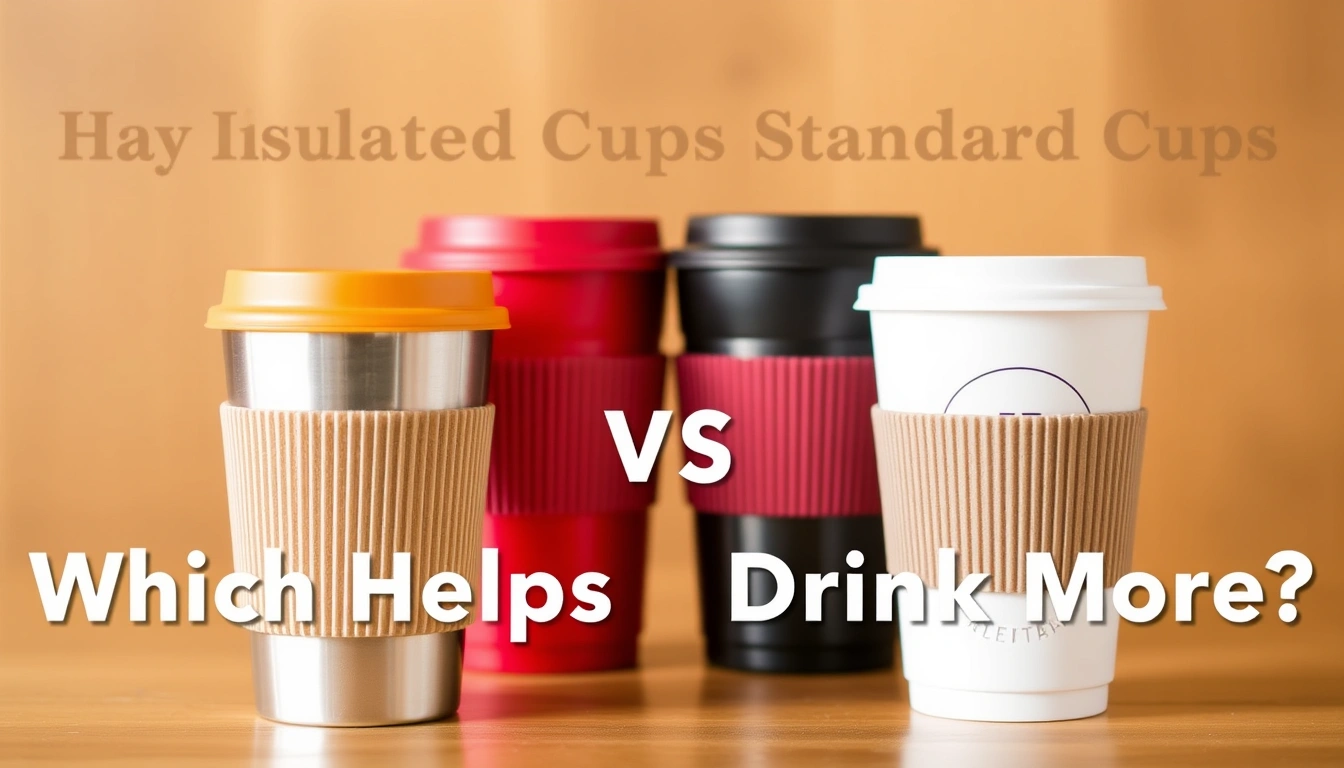
Before choosing between insulated cups vs standard cups for seniors: which helps seniors drink more, it helps to compare the trade-offs directly. If hand pain, tremor, or swallowing concerns are part of the picture, consult a professional.
| Decision factor | Insulated cup | Standard cup |
|---|---|---|
| Temperature retention | Keeps drinks pleasant longer | Drink changes temperature quickly |
| Weight | Usually heavier | Usually lighter |
| Grip feel | Can be more secure if shaped well, but bulkier | Easier to lift if the shape is simple |
| Cleaning | Often more parts, lids, seals, or narrow openings | Usually easier to wash |
| Microwave use | Often not microwave-safe | Often microwave-safe if material allows |
| Spill control | Many include lids, which can help | Usually open-top unless paired with a lid |
| Best for | Slow sipping, meals that stretch out, winter drinks | Simple daily use, quick rinsing, light handling |
How insulated cups help seniors drink more
I think insulation helps in two ways that generic product pages usually skip.
First, it protects the “second sip problem.” A lot of people do not stop drinking because they are unwilling. They stop because the drink has become unappealing. Tea cools too far. Coffee tastes flat. Water feels warm and stale. A well-insulated cup stretches the window in which the drink still seems worth finishing.
Second, insulation helps with routine. If a senior likes to sip slowly over an hour, a cup that holds temperature can reduce waste and frustration. That can matter for hydration because the cup is no longer something that needs constant attention.
The trade-off is plain: insulated cups are often bulkier, and bulk can be a real barrier. If the cup feels too tall for the tray, too wide for a small hand, or too heavy when full, the person may simply stop using it. I would not recommend an insulated cup as a reflex for anyone with severe hand weakness unless the shape and lid are especially easy to manage.
Where standard cups still win
A standard cup wins when simplicity matters more than temperature. I see three reasons.
One, it is usually easier to lift. That sounds obvious, but for seniors with arthritis or reduced strength, a few extra ounces of cup weight can be the difference between “fine” and “I’ll wait.” Less weight also means less fatigue when the cup is used many times a day.
Two, it is usually easier to clean. Older adults who still wash their own dishes often prefer cups with no lid, no gasket, and no hidden corners. That matters because a cup that is hard to clean tends to get skipped.
Three, a standard cup can feel more familiar. Some seniors dislike “travel-style” drinkware in the house. They do not want to twist a lid, track a seal, or drink through a smaller opening. If the cup feels fussy, they may drink less even if the temperature is perfect.
So my view is simple: a standard cup often helps with actual use, but an insulated cup more often helps with actual intake.
Round-by-round comparison: which one wins and why
1) Temperature retention: insulated cup wins
This is the clearest win. When the drink stays at a comfortable temperature longer, it is more likely to be finished. That is especially true for tea, coffee, soup, broth, or cold water on a hot day.
The drawback is that insulation does nothing for someone who prefers very hot drinks or likes to reheat frequently. For a person who wants to microwave half a mug at a time, a standard mug may be better. That math stops working fast.
2) Ease of lifting: standard cup wins
I give this round to the standard cup because weight matters every time the cup leaves the table. Insulated cups often feel more substantial, and that extra mass can be a problem for arthritic hands, tremors, or weak wrists.
The honest downside of standard cups is that they do not protect the drink from going cold or warm too fast. A lighter cup is not automatically the better cup if the drink sits untouched.
3) Spill risk: it depends, but insulated cups often have the edge
Should the insulated cup include a well-designed lid, it can reduce splashes and spill risk. That is useful for people who sip slowly, keep a drink near the sofa, or carry it from kitchen to chair.
Still, a lid can be a mixed blessing. Some lids are stiff, hard to open, or awkward for shaky hands. A standard cup has no lid to manage, which can actually make it easier and safer for some seniors. Not fancy. Just easier.
4) Cleaning and upkeep: standard cup wins
I would choose the standard cup for any senior who wants the least trouble after the drink is gone. Fewer parts usually mean faster washing and less chance of trapped residue.
Insulated cups can be fine, but I would skip them for anyone who struggles with small parts, dislikes handwashing, or cannot easily dry narrow openings.
5) Everyday comfort: slight win for insulated cup
This is the part many shoppers miss. Comfort affects drinking behavior. A cold cup on a winter morning or a lukewarm drink in the afternoon can quietly reduce how much someone drinks.
That said, comfort only helps if the cup is not too heavy or awkward. If the insulated cup feels like a chore, the comfort benefit disappears.
Who should get an insulated cup
I would point seniors toward an insulated cup if they:
- sip slowly and leave drinks unfinished because they get cold or stale
- prefer tea, coffee, broth, or other drinks that taste better warm
- keep a drink nearby for long stretches, such as while reading, watching TV, or resting
- want a lid for fewer spills on a table, recliner tray, or bedside stand
- do not mind a little extra weight in exchange for better temperature control
I would not recommend an insulated cup first for someone who has severe arthritis in the hands, weak wrist control, or trouble dealing with lids and seals. For that person, a simpler cup may lead to more drinking because it asks less of the hand.
Who should get a standard cup
I would point seniors toward a standard cup if they:
- have limited hand strength or get tired lifting heavier drinkware
- want the easiest possible cleaning routine
- like to microwave drinks often
- already drink quickly and do not need temperature retention
- get frustrated by lids, twist tops, or extra parts
I would not recommend a plain standard cup for someone who routinely leaves drinks half-finished because they cool too fast or taste stale. In that case, the cup may be too plain to solve the actual problem.
The biggest mistake shoppers make
The common mistake is choosing a cup by the feature that sounds smartest instead of the one that solves the behavior problem.
When the senior is not drinking enough because the drink is no longer pleasant, insulation may help more than almost anything else in a simple cup. When the senior is not drinking enough because the cup is too heavy, too slippery, or too annoying to clean, insulation will not fix that.
I would ask one question before buying: What stops the drink from being finished? Temperature, weight, cleaning, or lids?
That answer usually tells you which cup to choose.
What I would choose in different situations
If I were choosing for a senior who sips slowly through the day, I would lean insulated.
For a senior with shaky hands who wants the lightest, simplest option, I would lean standard.
For someone with both temperature sensitivity and hand weakness, I would look for a lighter insulated cup with a wide base, easy-grip sides, and a lid that opens with little effort. If those features are missing, I would not force insulation just because it sounds helpful.
Buying options to check
I am not going to name live prices because they change constantly. Check the current price at the retailer you trust most.
Insulated cup buying options
- Amazon: look for insulated mugs, tumblers, or lidded cups with wide openings and easy-grip handles
- Walmart: check insulated drinkware in the kitchen and mobility-friendly home sections
- Brand sites: useful if you want details on lid style, dishwasher guidance, and replacement parts
Standard cup buying options
- Amazon: search for lightweight mugs, senior-friendly cups, and large-handle drinking cups
- Walmart: check basic mugs and everyday drinkware
- Brand sites: useful if you want exact material and microwave-safe guidance
If you want a model for older hands, I would look for a wide handle, non-slip exterior, and a shape that does not tip easily.
Sources worth checking before you buy
For drink safety and older-adult hydration habits, I would start with reliable public-health and aging resources rather than product marketing:
- National Institute on Aging: hydration and older adults guidance
- NHS: dehydration advice and signs to watch for
- Arthritis Foundation: tips for easier gripping and hand-friendly tools
For a clinical overview of dehydration in older adults, see the National Institute on Aging and the NHS. The NIA notes that older adults are at higher risk of dehydration, and the NHS lists symptoms such as dark urine, dizziness, and confusion.
Those sources do not tell you which cup to buy, but they do help you match the cup to the person.
FAQ
Does an insulated cup automatically make seniors drink more?
No. It helps only if temperature is part of the reason they stop drinking. If the real problem is grip, weight, or a lid that is hard to use, a standard cup may work better.
Are insulated cups too heavy for seniors?
Sometimes. Many are heavier than standard cups, and that extra weight can matter for people with arthritis, tremor, or weak wrists.
Is a lidded insulated cup safer for older adults?
It can reduce spills, but only if the lid is easy to open and close. A stubborn lid can make the cup less usable.
Can a standard cup be better for hydration?
Yes. A light, familiar cup can encourage use if the person dislikes complex drinkware or needs the simplest possible option.
What is the best all-around choice?
There is no single best all-around choice for every senior. For seniors who sip slowly, I would usually choose an insulated cup; for seniors who need the lightest, easiest, least fussy cup, I would choose a standard cup.
Final verdict
My final pick is an insulated cup for seniors who are missing drinks because temperature makes them less appealing. That is the condition where insulation most clearly helps people drink more.
The condition that flips my recommendation is hand difficulty. If the cup must be very light, easy to wash, and simple to lift, I would switch to a standard cup instead.

Leave a Reply