
Last updated: August 11, 2026
- The better plan is the one the person can repeat at least 5 to 7 days a week.
- Quick Answer: What helps seniors stay hydrated best?
- For many older adults, high-water-content foods can help with hydration, and they are often the best first step for mild underdrinking.
- Key Facts High-water foods can support hydration when drinking is inconsistent.
Quick Answer: What helps seniors stay hydrated best?
For many older adults, high-water-content foods can help with hydration, and they are often the best first step for mild underdrinking. A senior who is not drinking enough may accept food more easily than another glass of water, especially when appetite is low or swallowing feels tiring. I work with older-adult nutrition and caregiving, and honestly, I’d begin with food, then keep drinks as the backup.
Key Facts
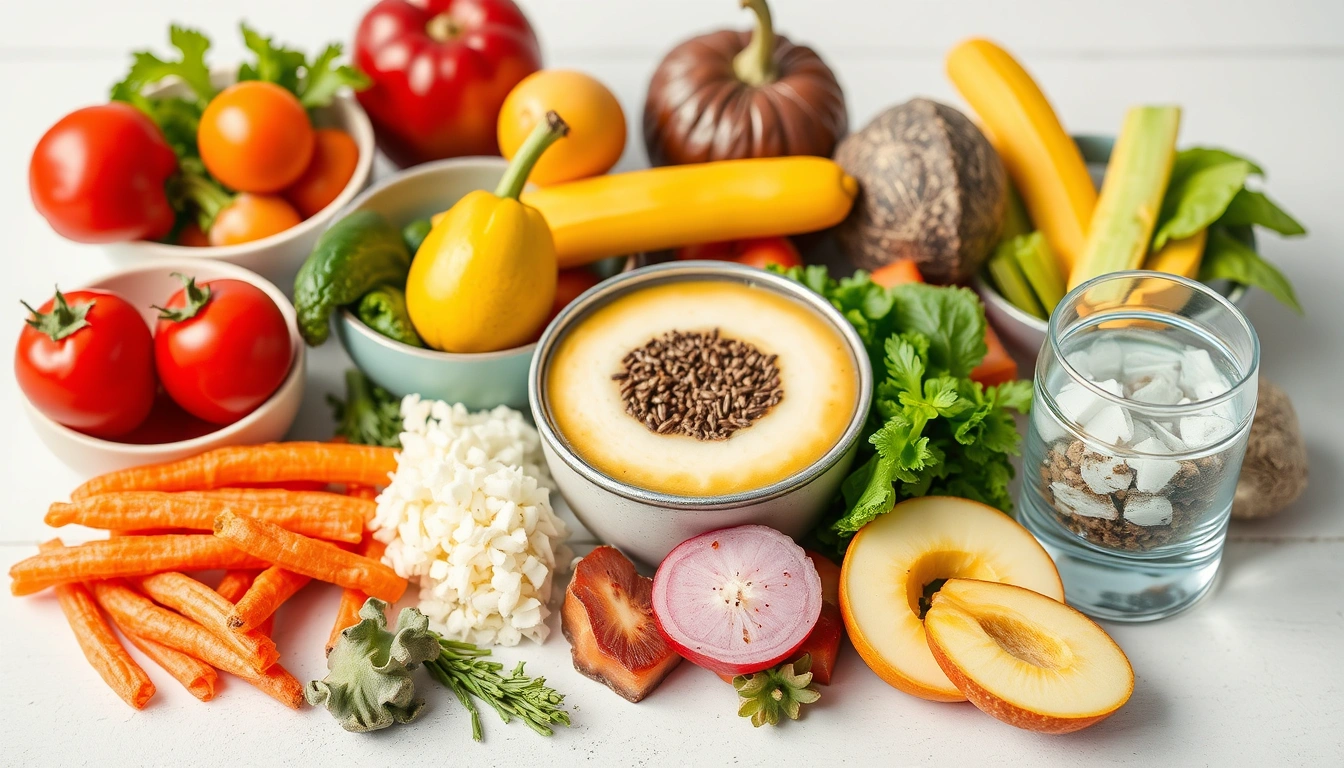
- High-water foods can support hydration when drinking is inconsistent.
- Water is still the faster choice for dehydration, vomiting, diarrhea, or fever.
- The National Institute on Aging and the CDC both advise watching for dehydration warning signs.
- Seniors with heart failure, kidney disease, or swallowing problems may need a clinician-guided fluid plan.
- A practical hydration routine usually combines food and fluids, not one or the other.
The Real Difference Between Drinking More Water and Eating More Hydrating Foods
The real choice is not “water or food.” It is: can this person reliably take in enough fluid, in a form they will actually accept? Many seniors find hydrating foods win because they are easier to eat, more appealing, and often gentler than chugging glasses of water.
High-water foods matter most when the problem is follow-through, not knowledge. A glass on the table does nothing if the person forgets it, dislikes the taste, avoids drinking because of bathroom trips, or tires out after a few sips. Fruit, soup, yogurt, and vegetables bring fluid in with texture and flavor, which can be easier to manage. Simple. Very human.
The downside is plain enough: food hydration is slower and less exact. A bowl of melon helps, sure, but it is not a substitute for fluids in someone who is already dehydrated, vomiting, has diarrhea, or has a fever. Guidance from the National Institute on Aging is clear that older adults should watch for signs of dehydration and talk with a clinician when intake is poor. The CDC also has solid general guidance on dehydration warning signs.
My view is straightforward: for everyday prevention, food is the better starting point; for a true dehydration problem, it is only part of the fix.
The Honest Side-by-Side
| Criteria | High-water foods | Plain fluids | Winner for this condition |
|---|---|---|---|
| Ease of acceptance | Often easier if the person wants flavor or texture | Can be hard if water tastes boring or causes fullness | Food for low appetite; consult a clinician if intake is poor |
| Effort to consume | Small bites may be easier than a full glass | Fast and direct if swallowing is fine | Depends on chewing fatigue |
| Hydration precision | Less exact; fluid content varies by food | More exact and easier to track | Fluids for monitoring intake |
| Digestion tolerance | Can be gentler, but some foods add fiber or acidity | Usually simplest on the stomach | Depends on GI sensitivity |
| Swallowing ease | Some soft foods are easier than thin liquids | Thin liquids can be hard for dysphagia | Food for some swallowing issues |
| Blood sugar impact | Depends on the food; fruit and yogurt can add carbs | Water has no carbs | Fluids for diabetes-friendly hydration |
| Nutrient bonus | Often brings vitamins, protein, or potassium | Usually no nutrients unless fortified | Food for undernourished seniors |
| Risk if overdone | Can displace meals or add too much sugar/sodium | Can cause frequent bathroom trips if excessive | Depends on the person |
| Best use case | Prevention and steady daily support | Treatment of acute fluid loss | Fluids for acute needs |
The table says it plainly: foods are the better daily helper, while fluids are the more controllable rescue tool. I would not call one universally “better.” I’d match the choice to the situation.
High-Water Foods: Who Should Actually Use This, and Who Shouldn’t
High-water foods are the right move for seniors who forget to drink, refuse plain water, nibble all day, or fill up quickly at meals. They also help when chewing is tiring and when a person would rather eat something cold, sweet, or savory than sip another glass. Should I be choosing a daily hydration strategy for an older adult with a weak appetite, I would build around food first.
The strongest options are the foods that carry a lot of water without asking for much effort: watermelon, oranges, grapes, strawberries, cantaloupe, peaches, pears, cucumbers, lettuce, tomatoes, celery, zucchini, broth-based soups, milk, kefir, yogurt, cottage cheese, and gelatin desserts. No magic here. They work because they are easy to include and easy to repeat.
But there’s a catch. Not every high-water food fits every senior. Fruit can push blood sugar up. Soup can be too salty if it comes from a can or a mix. Raw vegetables may be too crunchy for dentures or swallowing problems. Yogurt can be a problem if dairy does not sit well. And when a person truly is dehydrated, food alone is too slow.
This approach is not for seniors with vomiting, diarrhea, fever, dark urine plus dizziness, or confusion. Those are reasons to call a clinician promptly, because dehydration can become serious. It is also not ideal for someone on fluid restriction from heart failure, kidney disease, or another medical condition unless a clinician has said these foods fit the plan.
My recommendation is to use high-water foods for prevention and mild underdrinking, not as the only plan when the body is already losing fluid fast.
The Specific Situations Where High-Water Foods Win
High-water foods win when the person needs hydration support without feeling pushed. That is the whole advantage. A small bowl of fruit or a cup of soup can feel like food, not a task. Many seniors appreciate that distinction.
They are especially useful in four situations.
First, low appetite. When meals are already small, water may get skipped because it crowds out food. A juicy fruit or a chilled yogurt gives fluid plus calories, which is useful if weight loss is a concern.
Second, dry mouth. Seniors with dry mouth often find plain water unsatisfying. Moist foods can coat the mouth better and feel easier to tolerate. That does not replace dental or medical care, but it can make eating and sipping less unpleasant.
Third, warm weather or light activity. On days when the goal is steady support rather than catch-up rehydration, hydrating foods can add to the day’s total without anyone feeling forced to “drink more.”
Fourth, caregivers trying to build habits. It is easier to offer a few melon cubes, cucumber slices, or broth with lunch than to police a bottle all afternoon.
The drawback is that the “hidden fluid” in food is hard to count precisely. That matters if the doctor has asked for fluid monitoring. It also matters if a senior gets full too fast. I would skip this strategy as the main plan when someone is eating less than usual because of nausea, pain, or illness. In those cases, the root cause needs attention first.
Should you want a dependable daily support strategy, this is the one I trust most. It is practical, low-friction, and realistic.
The Specific Situations Where Plain Fluids Win
Plain fluids win when the goal is measurement, speed, or correction. Should the person be clearly underhydrated, food is too indirect. Water, oral rehydration solution, milk, or another clinician-approved beverage gets fluid in with less guesswork.
They also win when the body is losing fluid. Vomiting, diarrhea, fever, heavy sweating, and certain medications can make fluid needs rise quickly. In those cases, sipping a drink is more efficient than waiting for a snack to do the job. Should swallowing be a problem, a speech-language pathologist may recommend a specific liquid thickness; that matters more than the food list.
Fluids also win for people who need tight control of sodium, protein, sugar, or total intake. A drink can be chosen with those limits in mind. A food can be hydrating and still be wrong for the medical situation.
The honest weakness of fluids is compliance. Many seniors simply do not enjoy drinking plain water. Some avoid it to cut bathroom trips. Others forget. Some have trouble with thin liquids, which can make them cough or feel unsafe. That is where food can help, but it does not erase the problem.
I would choose fluids as the main tool when the person needs exact hydration or has signs that suggest real fluid loss. I would not rely on them alone when drinking is the thing the senior resists day after day. Food is the better bridge for that.
The Honest Side-by-Side: Foods I Would Put on the Plate First
Should I be building a hydration-friendly day for an older adult, I would start with foods that are soft, familiar, and low effort.
For breakfast: yogurt, melon, peaches, or oatmeal made with milk.
For lunch: tomato soup, cucumber slices, fruit, or a small salad with juicy vegetables.
For dinner: broth-based soup, zucchini, steamed vegetables, or a fruit cup.
For snacks: grapes, strawberries, oranges, applesauce, or gelatin.
The reason these win is not glamour. It is usability. They are easy to portion, easy to pair with a meal, and easy to repeat.
Here is where they lose points. Fruit can be too sugary if the person has to watch carbohydrates closely. Soup can be too salty. Raw produce can be hard to chew. Dairy can be a problem for some stomachs. And any of these can backfire if they replace meals instead of supporting them.
That is why I would not tell a family to “just eat more fruit.” I would tell them to build a rotation of a few foods the person already tolerates, then keep them visible and convenient. Repeatability beats variety here.
For trusted general guidance on hydration and older adults, I would also point readers to the National Institute on Aging and the CDC, both of which give practical, non-alarmist advice on staying hydrated and spotting trouble early. See the National Institute on Aging and the CDC for general hydration targets and safety advice.
What to pay attention to before you choose one approach
Cost matters less than fit, but it still matters. Water is usually the least expensive option, while fruit, yogurt, soup, and smoothies vary by season and brand. A can of soup may cost about $1 to $3, a single-serve yogurt often about $1 to $2, and fresh berries can run much higher depending on location and time of year. Frozen fruit, canned fruit in juice, and store-brand broth can lower the bill without changing the basic strategy.
The other practical factor is the care routine. If a senior drinks 2 to 3 small cups a day but eats 3 snacks, food-based hydration may be easier to sustain. If intake needs to be tracked in milliliters, fluids are easier to count. The better plan is the one the person can repeat at least 5 to 7 days a week.
If you are unsure, ask a clinician or dietitian whether a food-first plan fits the person’s diagnosis, medications, and fluid goals. This is especially true for diabetes, kidney disease, heart failure, or swallowing trouble.
How to put the plan into practice
Start by choosing 3 to 5 hydrating foods the senior already likes. Then place them where they are visible: on the table, in the front of the fridge, or pre-portioned in small containers. Pair one hydrating food with each meal or snack, and add a drink alongside it so the plan is not all-or-nothing.
Next, build around routines that already happen every day. For example, fruit at breakfast, soup at lunch, yogurt in the afternoon, and vegetables at dinner can add fluid without feeling like a separate task. If the person is eating less than usual, replace one dry snack with a moist one.
Finally, watch for warning signs and adjust quickly. Should urine get dark, energy drop, dizziness appear, or confusion show up, the problem may be more than routine underdrinking. In that case, hydration needs a medical check.
Our Verdict: Which One to Choose and Why
Choose high-water-content foods if the senior is eating but not drinking enough, has low appetite, or needs a gentler way to add fluid all day. Choose plain fluids if the senior is clearly dehydrated, losing fluid, or needs exact intake control. Neither if the person has confusion, fainting, severe weakness, repeated vomiting, or a medical condition that limits fluids without a clinician’s plan.
That is the call I would make in a real home. Food is the better everyday strategy because it fits normal routines. Fluids are the better rescue strategy because they are faster and easier to measure. Most families need both, but one should lead.
If I had to simplify it further: use food to prevent the problem, and use drinks to respond to it.
When to Reconsider This Choice Entirely
There are a few situations where the whole conversation changes.
First, swallowing trouble. Should thin liquids cause coughing, choking, or a wet voice, the person may need a swallow evaluation. In that case, the safest fluid plan may not be plain water at all.
Second, medical fluid limits. Heart failure, kidney disease, and some other conditions can require a clinician-set fluid plan. More water is not always better there.
Third, acute illness. If a senior has diarrhea, vomiting, fever, or confusion, hydration is no longer a convenience issue. It becomes a medical one.
Fourth, ongoing poor intake. If the person is barely eating or drinking for more than a short stretch, hydration foods are only a patch. Pain, depression, dental problems, medication side effects, and mobility barriers may be blocking intake. Because of that, the right move is to ask a clinician or other professional what is driving the problem.
I would treat these as stop signs, not side notes. When they show up, the right move is to pause the kitchen strategy and look for the cause.
FAQ
What foods hydrate seniors the most?
The most helpful are foods with a lot of fluid and an easy texture: melon, oranges, grapes, strawberries, peaches, cucumber, tomatoes, lettuce, soups, yogurt, milk, and applesauce.
Can food replace water?
Not completely. High-water foods help with daily hydration, but they do not replace fluids when someone is ill, losing fluid, or already dehydrated.
Are fruits better than vegetables for hydration?
Not always. Many fruits are juicy and easy to eat, but vegetables like cucumber, tomato, lettuce, and zucchini are also very water-rich.
What if a senior has diabetes?
Choose hydrating foods more carefully. Non-starchy vegetables, soup with low sodium, and unsweetened dairy can be better than fruit-heavy snacks. A clinician or dietitian can help tailor the mix.
When should I call a doctor?
Call promptly if there is confusion, dizziness, fainting, very dark urine, repeated vomiting, diarrhea, fever, or a big drop in eating and drinking.

Leave a Reply