
Last updated: November 05, 2026
Key Takeaways
- Dehydration can play a role in swelling, but older adults usually need a broader check.
- Leg swelling can come from several causes, not just fluid loss.
- The 24-hour pattern matters more than one look at the ankles.
- Swelling deserves context and, if needed, a clinician’s advice.
A swollen ankle and dehydration can show up together in the same older adult. Odd pairing, but it happens. This article on Can Dehydration Cause Swelling in Older Adults? takes a careful yes as its answer: dehydration can contribute, yet it is rarely the whole story. When fluid balance slips, the body may hang onto sodium and water in the tissues while still running low on usable fluid in the bloodstream and cells. Because heart, kidney, vein, liver, and medication issues can also cause edema, a newer case of swelling should be discussed with a qualified health professional. For background on hydration concerns in older adults, see the NIA hydration guidance and the NHS overview of dehydration.
Who this applies to — and who needs a clinician
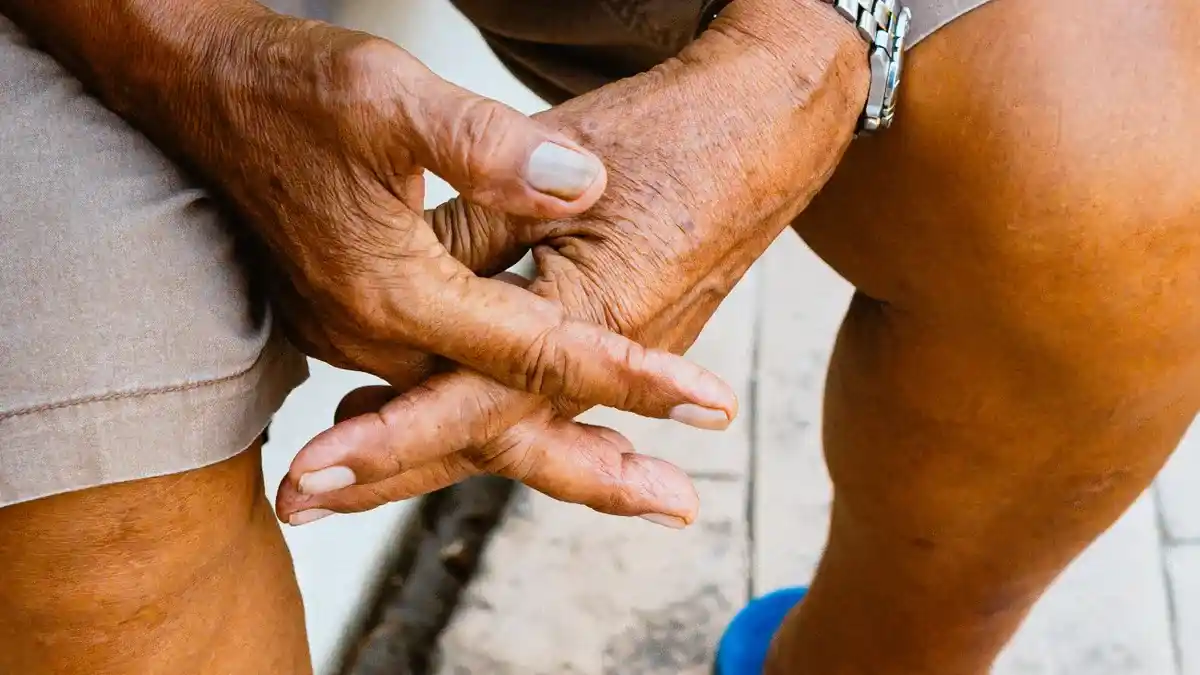
Older adults with puffiness in the legs, ankles, feet, or hands fit here, especially when a dry mouth, dark urine, less urination, poor intake, recent illness, or confusion is also present. The question is simple enough: could dehydration be part of this? Still, new, severe, or unclear symptoms need a clinician, not a guess.
“Just drink more water” misses the mark. In older adults, swelling and dehydration can coexist because the body does not move fluid evenly. Edema is the medical term for swelling caused by fluid in the tissues, and it can appear even when the person is relatively dehydrated inside the circulation. The kidneys sit at the center of that balance; once they sense low effective circulating fluid, they can change how salt and water are handled. For more on this balance, the National Institute on Aging and the National Kidney Foundation both explain how fluid status affects older adults.
Sudden one-sided leg swelling, chest pain, shortness of breath, fever, or a new inability to walk are different. Those need prompt medical assessment. So do heart failure, kidney disease, or a recent medication change; fluid advice can shift the risk fast.
For a broader map of symptoms, pair this article with the hub on senior hydration signs and symptoms rather than treating swelling as the only clue.
Can dehydration cause swelling in older adults?
Yes. But it is usually not the only explanation. Fluid balance gets messy in real life: a person can be underfilled in the bloodstream and still have extra fluid trapped in the ankles or legs. Families find that hard to square, because “puffy” and “dehydrated” sound like opposites. They are not.
The kidneys are one reason. When they detect reduced effective volume, they may hold onto sodium and water through hormone signals. That can increase edema in dependent areas like the ankles and lower legs, especially when a person sits or lies down for long stretches. Clinical reviews treat this as a balance problem, not a neat one-symptom diagnosis.
Older adults are easier to misread for a few practical reasons. They may feel less thirst, eat less salty food one day and more the next, take diuretics or blood pressure medicines, or spend more time seated. Venous return from the legs also slows when mobility is limited, so fluid collects more easily in the calves and ankles. That is why swelling can show up even when the person is not drinking enough.
Think of it this way: swelling tells you fluid is somewhere in the body, not that hydration is normal. The “where” matters. Fluid in the tissues does not guarantee enough fluid in the circulation, and that is why an older adult can look swollen and still be dehydrated. A neat-looking ankle can hide a ragged fluid picture.
Why leg swelling can be confusing
Leg swelling is confusing because the same ankles can enlarge for very different reasons, and dehydration is only one piece of the puzzle. Edema from dehydration-related fluid shifts tends to sit alongside low appetite, tiredness, constipation, dry lips, or reduced urine output. But leg swelling can also come from venous insufficiency, injury, infection, medication side effects, kidney disease, liver disease, or heart problems.
By late afternoon, a person may notice it more. That timing often fits dependent edema, where gravity pulls fluid into the lower legs and ankles after hours of sitting or standing. It can look worse after travel, a long car ride, or a day in a chair. If the feet leave a dent when pressed for a few seconds, that is pitting edema, the term clinicians use when the skin holds an indentation. Pitting does not tell you the cause by itself; it only shows that fluid is in the tissue.
Several causes can overlap, and that is the headache. A person on a diuretic may be somewhat dehydrated, yet still have swollen legs because the veins are weak or because the kidneys are struggling. Another person may have ankle swelling from venous pooling and also drink too little because of illness or confusion. That overlap is why swelling should not be read as proof of “too much fluid” or proof of “too little fluid” on its own.
One practical marker clinicians often ask about is whether the swelling is new, both-sided, and persistent over 24 hours or more. A change that lasts matters more than a single morning or evening snapshot.
What to look at before assuming the cause
The safest read comes from the whole 24-hour pattern, not from a quick look at the ankles. A person with possible dehydration-related swelling usually has several clues at once: less drinking than usual, dry mouth, darker urine, fewer trips to the bathroom, lightheadedness, or unusual sleepiness. If only the legs are swollen and everything else looks stable, the cause may be something else entirely.
Start with location. Swelling in both ankles and lower legs often points to fluid pooling or generalized fluid retention. One swollen leg, especially if it is painful, red, or warm, raises a different concern and should not be assumed to be dehydration. Also note whether the swelling reaches the feet, whether shoes feel tighter, and whether the skin looks shiny or feels tight.
Then check timing. Swelling that improves overnight and returns by afternoon often behaves differently from swelling that stays put. If the person is also eating less than usual or has had vomiting, diarrhea, fever, or poor intake for a day or two, dehydration becomes more plausible as part of the picture. A fever can worsen fluid loss; so can hot weather and a room that is too warm.
A simple fluid-balance check can help frame the conversation with a clinician: roughly how much the person drank, how often they urinated, and whether the urine looked unusually dark. No single measure proves the cause, but the pattern matters. If swelling is paired with confusion, weakness, or a noticeable change in walking, that deserves faster attention because dehydration can affect circulation and kidney function, especially in older adults.
What is the right next step?
The right next step is to treat swelling as a symptom that needs context, not as a problem to guess at from the internet, and to consult a professional when the cause is unclear. A clinician can sort out whether dehydration, edema from another cause, or both are involved. That matters because the wrong fluid advice can make some conditions worse.
If the swelling is mild and the person is otherwise stable, observation and timely medical review are better than a sudden jump in fluids. If there is a known kidney issue, a recent medication change, or a pattern of poor intake, those details should be part of the conversation. A clinician may consider an exam, medication review, blood tests, urine tests, or other checks depending on the situation.
This is where the trade-off gets real. Pushing fluids blindly can be risky in some older adults, especially when the body is already retaining fluid for another reason. Holding back fluids too much can worsen dehydration. Because that balance depends on the person, not the symptom alone, the most useful move is to get a qualified opinion and avoid making a big change without it.
A good rule of thumb is that swelling plus confusion, decreased urine, or marked fatigue deserves same-day concern. The combination suggests a broader fluid or circulation issue, not just a cosmetic problem with the ankles.
Common mistakes people make with swelling and dehydration
First, people assume swollen legs mean the person is “well hydrated.” Swelling only shows that fluid has collected somewhere in the body. The consequence is missed dehydration until weakness, confusion, or kidney strain becomes more obvious. Better to look for the full pattern: intake, urine, mentation, and timing.
Second, some people tell an older adult to drink a large amount of water all at once. That can be uncomfortable, and in some people it can worsen swelling or create other problems. I’d rather see a clinician guide the fluid pattern, to be fair, because medical conditions change the answer.
Third, not every swollen leg is dehydration. When the swelling is one-sided, painful, red, or warm, another process may be going on entirely, and delay can matter. The correct move is prompt evaluation rather than waiting for the swelling to “go down.”
Fourth, medications get ignored. Diuretics, some blood pressure drugs, and other medicines can change fluid handling and make the picture less obvious. If the dose or list changed within the last 7 to 14 days, that is useful information to report.
Finally, only the ankles get watched. In older adults, the whole body can show fluid-balance changes through appetite, alertness, urine amount, and walking steadiness. If those are shifting too, the situation is bigger than a local swelling problem. Small clue, large consequence.
When swelling in an older adult is urgent
Urgent swelling in an older adult shows up with sudden one-sided leg enlargement, chest pain, shortness of breath, confusion, fever, or a major drop in urine. Each of those situations can point to a problem that needs prompt assessment, not home guessing.
One leg is much more swollen than the other: this may signal a clot or local problem — seek urgent medical evaluation.
Swelling is paired with shortness of breath or chest pain: this may involve the heart or lungs — call emergency services.
The person is newly confused, very sleepy, or hard to wake: this can reflect dehydration, infection, or another serious issue — get urgent medical help.
The skin is red, hot, or very painful: this may indicate infection or another acute condition — contact a clinician the same day.
Swelling appears after a recent medication change: the medicine may be affecting fluid balance — call the prescribing clinician promptly.
These are not “wait and see” situations. In older adults, a 24-hour delay can matter because fluid changes, kidney strain, and infection can progress quickly.
Can dehydration cause swelling in older adults?
Yes, and that is why swelling does not rule dehydration out. The body can be short on usable fluid and still collect fluid in the ankles, feet, or legs.
The confusing part is that edema and dehydration are not opposites in the way many people expect. Edema means fluid is in the tissues; dehydration means the body does not have enough available fluid for normal function. Both can happen at once, especially when kidneys, medications, mobility, and intake are all in play.
A person who is swollen and dehydrated may have dry mouth, low urine output, and fatigue alongside ankle edema. That combination should not be sorted out by guesswork alone. A clinician can decide whether the swelling is mostly from fluid retention, poor circulation, kidney strain, or another cause.
Does swelling mean too much water or too little?
Swelling does not tell you that by itself. It can happen with too much fluid in the wrong place, too little usable fluid in the circulation, or both at once.
That is why older adults with swelling need the bigger picture: urine amount, thirst, recent illness, medications, and whether the swelling is one-sided or both-sided. If the answer is unclear, the safest move is medical assessment rather than a home diagnosis.
When is swelling in a senior urgent?
Urgent swelling in a senior is sudden, one-sided, painful, red, warm, or linked with breathing trouble, chest pain, or confusion.
Those combinations suggest more than simple dehydration-related fluid shift. They can point to a clot, infection, heart problem, or another acute condition. If any of those signs are present, the next step is prompt medical care, not observation alone.
Drafted with AI; not yet reviewed by a person.

Leave a Reply