
Last updated: November 05, 2026
Quick Answer: In older adults, standing dizziness often lasts seconds to 1 minute and can reflect orthostatic hypotension, not just dehydration.
Key Takeaways
- Standing up can trigger dizziness when blood pressure does not recover quickly enough.
- Hydration helps because circulating fluid supports blood pressure, but it is only one factor.
- The safest approach is to slow position changes, watch for patterns, and get a professional review if it continues.
- Standing dizziness often worsens when the body has less reserve.
Older adults often feel dizzy when they stand up because blood pressure drops briefly before the body catches up. In this article on Why Older Adults Feel Dizzy When They Stand Up — and How Hydration Fits In, that pattern is called orthostatic dizziness, and it can happen with orthostatic hypotension—a measurable fall in blood pressure after standing. Because dizziness can sometimes lead to falls, it is wise to speak with a qualified clinician about the person’s own situation, especially if the symptom is new, frequent, or tied to fainting. For background on posture-related dizziness, the National Institute on Aging and Mayo Clinic both describe it as a reason for assessment rather than guessing: NIA and Mayo Clinic.
Who this applies to, and what it assumes

This applies to an older adult who feels lightheaded, unsteady, or as if the room shifts for a few seconds after standing from a chair, bed, or toilet. It assumes the person can describe when the dizziness happens, what medicines they take, and whether they have had recent illness, poor intake, or falls. It also assumes the reader is not trying to self-diagnose a heart, nerve, or blood-pressure disorder from one symptom alone, and should consult a professional if the pattern is unclear.
The core idea is simple: standing makes gravity pull blood into the legs. A healthy body tightens blood vessels and raises heart rate within seconds. In older adults, that response may be slower, blunted by medicines, or strained by low fluid intake. The result is a brief drop in blood pressure, often most obvious in the first 30 to 60 seconds after standing. That is the window that matters, not a vague sense of “feeling off.”
Not every dizzy spell after standing is orthostatic dizziness, and not every case is “just dehydration.” Anemia, heart rhythm problems, inner-ear disease, Parkinson’s disease, and neurologic conditions can produce similar complaints. That is why a medication review and blood pressure check matter. The National Institute on Aging and the Mayo Clinic both describe posture-related dizziness as a common reason older adults should be assessed rather than guessed at: NIA and Mayo Clinic.
A practical note: if dizziness comes with chest pain, one-sided weakness, trouble speaking, or a fainting episode, this stops being a hydration question and becomes urgent medical territory.
Why does standing up cause dizziness in older adults?
Standing up can cause dizziness in older adults because the cardiovascular system may not correct the blood-pressure shift fast enough. The technical term is orthostatic hypotension, which means a drop in blood pressure after rising. That drop can reduce blood flow to the brain for a moment, and the person feels woozy, dim, weak, or unsteady.
Several age-related changes make this more likely. Blood vessels may be less elastic. Baroreceptors—the pressure sensors in the neck and chest—can respond more slowly. Muscles in the legs may not squeeze blood back toward the heart as effectively. The result is a less efficient “upright” response. A person may be fine sitting, then feel off-balance within 10 to 30 seconds of standing.
Hydration fits into this because blood volume depends partly on fluid balance. If fluid intake is too low, the circulating volume can fall, and standing becomes harder to tolerate. That does not mean a glass of water solves every case. It means hydration can be one piece of the blood-pressure puzzle, especially when a person is also eating less, sweating more, or recovering from illness.
Medicines also matter. Blood pressure medicines, diuretics, some antidepressants, and other drugs can make the upright blood-pressure response less stable. That is one reason a medication review belongs on the checklist. The goal is not to guess which pill is to blame; it is to look for a pattern that a clinician can interpret safely.
How hydration fits into posture-related dizziness
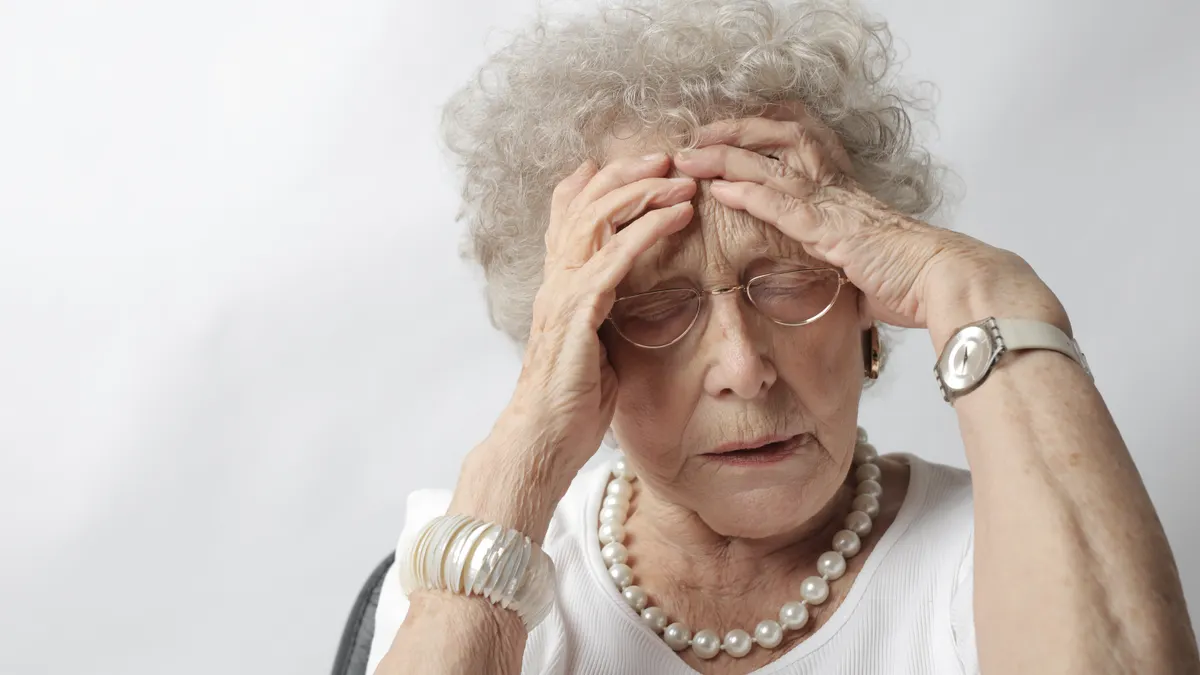
Hydration matters because blood pressure depends on circulating fluid, but it is only one part of the mechanism. If someone drinks too little over several days, or loses fluid through fever, diarrhea, vomiting, or heat, the body has less volume to work with. Then a quick stand may produce a sharper blood-pressure drop than usual. That is why fluid intake is relevant in older adults who feel dizzy when they stand. The CDC and NIA both note that dehydration risk rises with illness, heat, and reduced intake: CDC and NIA.
The trouble is that hydration is easy to over-interpret. A dry mouth, dark urine, or fatigue does not prove that dehydration is the cause of orthostatic dizziness, and dizziness alone does not prove dehydration. The symptom overlap is real, but the causes are broader. A person can be well hydrated and still have orthostatic hypotension from medicines or autonomic dysfunction. A person can be underhydrated and still have another problem that needs attention.
A useful way to think about hydration here is as support, not a diagnosis. If the person is eating and drinking poorly, hydration may be part of the explanation. If the person’s dizziness appears after long standing, after a hot shower, or first thing in the morning, volume status can be relevant. If the symptom appears with palpitations, shortness of breath, or repeated falls, consult a professional rather than assuming hydration is enough.
This is also why “drink more” is not a complete plan. Too much fluid can be a problem for people with heart failure, kidney disease, or sodium issues, so the right amount varies. The safer move is a clinician-guided review of fluid intake, blood pressure, and medicines rather than a blanket rule. For fluid guidance, the Mayo Clinic and NHS both emphasize individualized advice when heart or kidney disease is present: Mayo Clinic and NHS.
What to do when standing dizziness shows up
Standing dizziness is best handled by slowing the position change, checking for patterns, and arranging a professional review if it keeps happening. If a clinician has already identified orthostatic hypotension, they may suggest specific steps tailored to the person’s health conditions; the outline below is the general framework, not a prescription.
- Pause before standing. Sit on the edge of the bed or chair for about 30 to 60 seconds before getting up. Verify that the dizziness is less intense or shorter when the rise is slower. If the room spins or the person feels faint even after waiting, that is a warning sign to stop and report it.
- Stand in two stages. Move from lying to sitting, then from sitting to standing, instead of rising in one motion. Verify that the knees are steady and the person can keep both feet flat for a few seconds. If the legs buckle, the problem is more than a simple “stood up too fast” episode.
- Use a safe support point. Hold a bed rail, counter, or sturdy chair with one hand when rising. Verify that the support does not shift or roll. If there is no safe surface nearby, the environment itself is part of the risk.
- Take note of timing. Record whether dizziness appears in the first minute after standing, after a hot shower, or after skipping meals. Verify whether the pattern repeats on more than one day. If the symptom is random and not tied to posture, another cause becomes more likely.
- Review fluid intake with a clinician. Bring a simple 24-hour picture of drinks, meals, and any recent vomiting, diarrhea, or sweating. Verify whether low intake coincides with worse dizziness. If the person has heart or kidney disease, do not assume “more water” is automatically safe.
- Check medicines before changing anything. Bring the full medication list, including over-the-counter products and supplements, to the visit. Verify whether dizziness began after a medication start or dose change. If the list is incomplete, the review will miss likely contributors.
- Look for blood-pressure changes, not just symptoms. If a clinician asks for orthostatic blood-pressure measurements, the key question is whether the pressure drops after standing. Verify that the reading is taken in the position and timing requested. If the numbers are normal but symptoms are severe, the workup needs a broader look.
- Protect against falls while the pattern is being sorted out. Use good lighting and keep the path clear near the bed and bathroom. Verify that the person can walk safely after standing. If standing dizziness is causing near-falls, the risk is immediate even before the cause is fully identified.
This is the section where many readers want certainty. The honest answer is that there is no single home fix that fits every older adult. The goal is to make the symptom safer while the cause is being identified.
What makes it worse, and what people miss
Standing dizziness gets worse when the body has less reserve. A hot room, a hot shower, skipped meals, alcohol, recent bed rest, and a prolonged spell of sitting can all make the transition from sitting to standing harder. So can a medication change that was made days earlier, not hours earlier. That lag is easy to miss.
The most common mistake is assuming the symptom is always dehydration. That can delay attention to orthostatic hypotension, arrhythmia, bleeding, or another condition. The correct alternative is to treat hydration as one variable among several and ask what changed in the last 1 to 2 weeks: intake, medicines, illness, weight, sleep, or activity, with a clinician review if the pattern keeps returning.
A second mistake is standing up and immediately walking. The person may “test” balance before blood pressure has settled, which raises the chance of a fall. The better alternative is to pause after standing, hold a stable surface, and take the first steps only when the dizziness has passed.
A third mistake is changing blood-pressure medicines without guidance because the symptom feels obvious. That can backfire, especially if the medicine is controlling hypertension or heart disease. The safer alternative is a clinician-led medication review, because the right answer may be a timing change, a dose change, or no change at all.
A fourth mistake is ignoring repeated near-falls because no one has fully fallen yet. Near-falls are not harmless practice runs. They are often the warning that a person is one rushed stand away from injury.
When standard advice is not enough
Standard advice is not enough when the dizziness is frequent, severe, or mixed with other symptoms. In those situations, the “stand up slowly and drink more water” approach is too small for the problem.
Fainting or collapse: This can mean a larger blood-pressure or heart-rate problem — get urgent medical evaluation rather than trying to manage it as routine dizziness.
Chest pain, shortness of breath, or a fast or irregular pulse: This can point to a heart-related cause — seek prompt care.
New weakness, trouble speaking, facial droop, or confusion: This is not typical orthostatic dizziness — call emergency services.
Repeated falls or injuries: The symptom is already causing harm — the person needs a clinician to reassess risk and safety.
Dizziness that persists even while sitting or lying down: This suggests a cause beyond standing-related blood-pressure change — arrange medical review.
Known heart failure, kidney disease, or fluid restriction: Hydration advice must be individualized — do not increase fluid intake on your own.
For readers who want a broader symptom map, this page fits with the hub on senior hydration signs and symptoms, but it does not replace a visit when the symptom pattern is unclear. See also related guidance on dehydration signs in older adults and low blood pressure symptoms.
Orthostatic dizziness in older adults: what a doctor usually checks
Orthostatic dizziness in older adults is usually checked by linking the symptom to posture, blood pressure, medicines, and overall health. That sounds basic, but the sequence matters. A clinician will often ask when the dizziness starts, how long it lasts, whether it happens after standing from bed or a chair, and whether it has led to falls.
Blood pressure may be checked lying down and again after standing. That comparison helps show whether the body is failing to maintain pressure upright. If the pattern fits orthostatic hypotension, the next question is why. Common pieces of the puzzle include dehydration or low fluid intake, medication effects, recent illness, autonomic dysfunction, and deconditioning after inactivity.
The workup is not about proving one cause by guesswork. It is about sorting causes that overlap. A person can have mild dehydration and a medication effect at the same time. A person can have orthostatic hypotension and still need evaluation for anemia or heart disease. That is why the evaluation often includes a medication review rather than a quick hydration tip.
The phrase “orthostatic dizziness” is useful because it describes the symptom pattern without pretending to name the whole cause. That distinction matters. The right explanation changes the management, the fall risk, and whether the problem is something the reader can safely watch for a day or something that needs medical attention now. For a formal reference on orthostatic hypotension, see the American Heart Association and the Cleveland Clinic: AHA and Cleveland Clinic.
What the research landscape shows
ClinicalTrials.gov lists 8 registered trials matching this subject; the first 8 were read and every share, median, and range below is computed across them, using ClinicalTrials.gov API v2 with query.term=”Senior Hydration Signs Symptoms and Assessment”, no status filter, and page size 100, computed on 2026-10-22. Of those 8 trials, 5 (62%) are completed, 2 (25%) are recruiting, and 1 (12%) is unknown, according to ClinicalTrials.gov. Five of the 8 read list phase Na, 1 of the 8 read lists Phase2, and the median planned enrolment is 50 participants, with a range of 20–300 across the 8 trials, per ClinicalTrials.gov.
Those numbers do not prove that hydration is the cause of any individual person’s dizziness. They do show that the topic is being studied in a limited, mixed body of registered work rather than in one neat answer. That is the right level of caution for a reader making a health decision. The evidence base can inform the conversation, but it does not replace a clinician’s assessment of posture-related symptoms, blood pressure, medicines, and fall risk.
Is standing dizziness always dehydration?
No, it is not. Standing dizziness can come from orthostatic hypotension, medicines, heart rhythm problems, anemia, or other causes, even when fluid intake is fine. Dehydration can contribute, but it is only one possible piece of the picture. If the symptom keeps returning, a qualified clinician should sort out the cause.
What helps orthostatic dizziness in seniors?
Slower position changes, a brief pause before walking, and a review of fluid intake and medicines are the usual starting points. Those steps can reduce immediate strain on blood pressure, but they are not a cure and they are not right for everyone. Seniors with heart or kidney disease need individualized guidance.
Drafted with AI; not yet reviewed by a person.

Leave a Reply