
Last updated: August 11, 2026
- Key Facts – Water reminder apps devices that work well seniors should match hearing, vision, dexterity, and routine.
- The Real Difference Between Water Reminder Apps and Devices Control versus friction.
- – CDC: https://www.cdc.gov/healthyweight/healthy_eating/water-and-healthier-drinks.html – National Institute on Aging: https://www.nia.nih.gov/health/dehydration-and-older-adults Flexibility is the big win.
- FAQ What is the simplest water reminder for an older adult?
Quick Answer: The best water reminder apps devices that work well seniors are usually the simplest option the person will actually notice and use. Often, that means a large-button device in the kitchen. Or a phone app with loud alerts, clear labels, and an easy reset.
Key Facts
– Water reminder apps devices that work well seniors should match hearing, vision, dexterity, and routine.
– Apps are often cheaper and easier to adjust; devices are often more visible and easier to notice.
– The CDC and the National Institute on Aging both note that dehydration risk rises with age.
– If a product claims to “solve dehydration,” that is a reason to consult a clinician, not just trust the marketing.
– The best reminder is the one the senior will use every day, not the one with the most features.
I write about aging-in-place tech and daily-living tools, and honestly, I care more about what older adults will live with day after day than what looks clever in a product demo. This article is about water reminder apps devices that work well seniors; the goal is to choose the plainest fit that actually gets used.
The Real Difference Between Water Reminder Apps and Devices
Control versus friction. That is the split. A water reminder app lives on a phone or tablet, so it can be cheap, flexible, and easy to adjust. By contrast, a dedicated device is usually more visible and more physical, which often makes it better for seniors who do not want to open an app, tap through menus, or remember to keep a phone charged and nearby.
A phone-first setup suits some people. A room-based cue suits others.
So I would choose an app for a senior who already checks a phone regularly and can hear alerts. I would choose a dedicated device for someone who misses reminders because they do not look at their phone, keep it on silent, or get overwhelmed by screens.
“Best” is not a box label. It is follow-through. A reminder only helps if the person notices it, understands it, and does not resent it. Some older adults want gentle coaching. Others want a big light, a beep, or a bottle that tracks intake automatically. That difference matters more than brand names. Like a stubborn alarm clock, the wrong setup just gets ignored.
Here is the practical split I use:
- Apps win when you want low cost, customizable timing, and a familiar phone-based routine.
- Devices win when you want visibility, simplicity, and less dependence on tech comfort.
- Hybrid setups win when the person uses a smartphone but forgets it during the day; a bottle plus app can bridge that gap.
The right choice also depends on dexterity, vision, hearing, and whether the senior drinks from one cup, a water bottle, or several glasses a day. A reminder built for a fitness user is often the wrong fit for an 82-year-old who just wants one clear cue before lunch and another before bed.
For medical questions about hydration, I would still check with a clinician, especially if the person has heart, kidney, or swallowing issues.
Water Reminder Apps for Seniors: Who Should Actually Use These
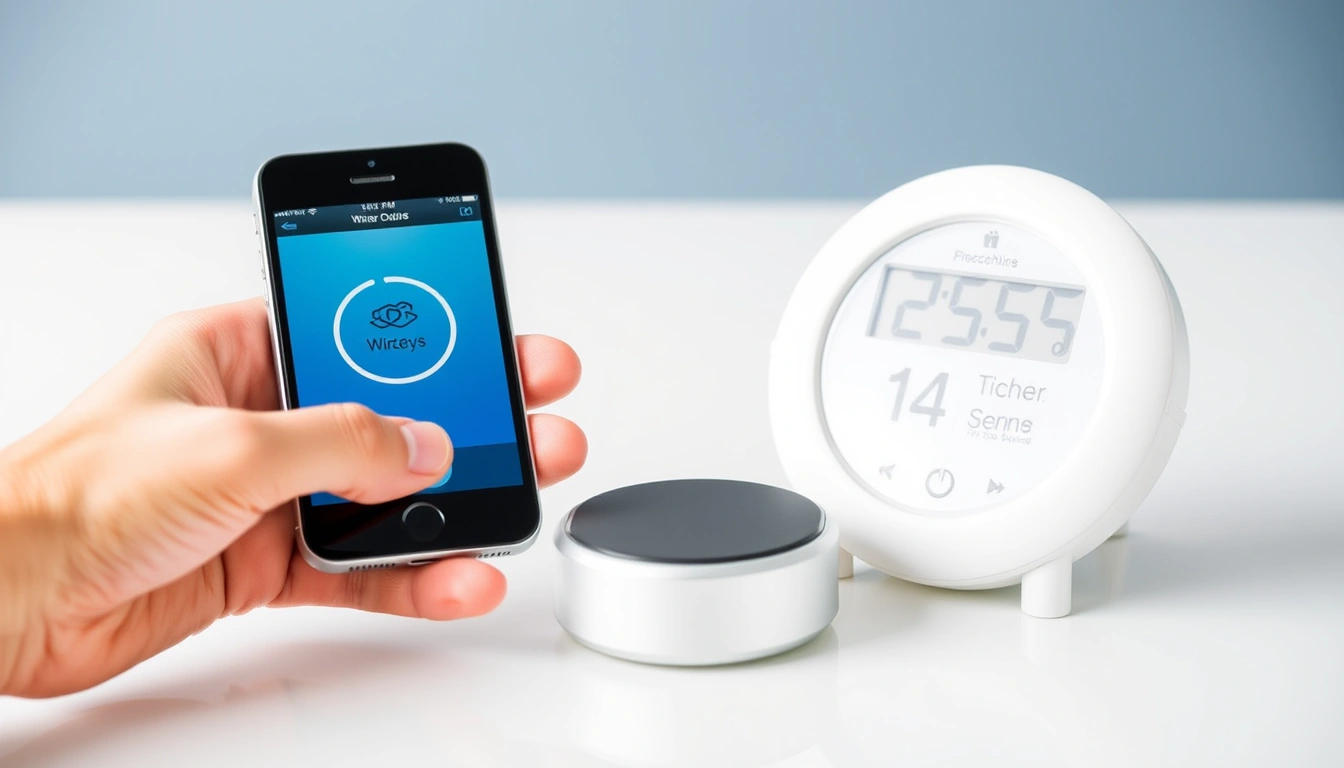
Water reminder apps work well for seniors who are already comfortable with a smartphone and want something unobtrusive. They are the best choice when the person can hear alerts, read simple screens, and tap “done” without confusion. I would especially favor an app for a senior who likes routines and already uses phone alarms for pills, appointments, or prayer.
According to the CDC and the National Institute on Aging, older adults are at higher risk of dehydration, and that makes simple reminders relevant. The CDC notes that water has no calories and supports daily hydration, while the NIA explains that older adults may not feel thirsty as often.
– CDC: https://www.cdc.gov/healthyweight/healthy_eating/water-and-healthier-drinks.html
– National Institute on Aging: https://www.nia.nih.gov/health/dehydration-and-older-adults
Flexibility is the big win. Most reminder apps let you set custom intervals, choose alert tones, and shift reminders around meals, medications, or sleep. That matters because hydration needs are not the same all day. A user who wakes up late, naps, or takes diuretics may need reminders that change with the schedule.
The weak spot is obvious: apps disappear the moment the phone does. If the device is in another room, on silent, or being charged, the reminder fails. Many app interfaces are too busy for older eyes, too. Tiny text, low-contrast buttons, and buried settings create friction fast. A senior who already dislikes phones will not magically warm up to a hydration app just because it has nice graphs. No chance.
Because of that, a good fit looks like this: a senior who uses an iPhone or Android daily, keeps sound on, and wants reminder settings that a caregiver can help set once and then leave alone. I would also use an app when family wants remote encouragement through shared schedules, but only if the senior is willing.
Skip app-only reminders for someone with vision trouble, hearing loss that makes phone alerts easy to miss, or mild cognitive decline that makes app navigation confusing. In those cases, the app becomes another thing to remember instead of support.
For hydration basics, I like the guidance from the CDC on staying hydrated and from the National Institute on Aging on older adults and dehydration:
– CDC: https://www.cdc.gov/healthyweight/healthy_eating/water-and-healthier-drinks.html
– National Institute on Aging: https://www.nia.nih.gov/health/dehydration-and-older-adults
Water Reminder Devices for Seniors: The Specific Situations Where They Win
Dedicated water reminder devices win when visibility and simplicity matter more than flexibility. I mean the products that use lights, sound, bottle tracking, or a standalone display so the reminder sits in the room instead of hiding in a pocket. For many seniors, that is the difference between “I saw it” and “I forgot again.”
A strong use case is a senior who spends most of the day in one or two places, such as a kitchen chair, recliner, or bedside table. A device that lights up, chimes, or sits next to the cup works well because it turns hydration into a cue in the environment. That is often more effective than relying on memory.
Less thinking. More doing. A good reminder device should ask very little from the user: glance, sip, reset. That is why I prefer devices for older adults who get frustrated by app settings or who share a home with a caregiver. Some devices also pair with bottles that track intake, which can help a family member confirm whether the person is drinking at all, not just receiving reminders.
The trade-off is cost and rigidity. A device can be more expensive than an app, and it may work only in one room or with one container. If the person is away from the device, the system stops helping. I also think some smart bottles are too fussy for seniors with arthritis or limited hand strength. If the lid is awkward or the bottle is heavy, the reminder system can become a burden.
I would pick a device for a senior who needs the reminder to be obvious, not subtle. I would not pick one for someone who travels often, changes rooms a lot, or hates charging gadgets. And I would skip bottle-based systems if grip strength, tremor, or hand pain makes them annoying to use.
The Honest Side-by-Side
Below is the comparison I think matters most when choosing between a water reminder app and a dedicated device for a senior.
| Criteria | Water Reminder App | Water Reminder Device | Winner for [condition] |
|---|---|---|---|
| Ease of setup | Can be quick if the senior already uses a phone | Usually simpler once out of the box, but setup varies | Device, for non-technical users |
| Visibility of reminders | Depends on phone volume and screen use | Often more visible in the room or on the bottle | Device, for forgetful users |
| Custom scheduling | Usually stronger and more flexible | Often basic or preset | App, for changing routines |
| Works without a phone nearby | No | Yes | Device, for phone-averse users |
| Risk of being ignored | Higher if notifications are muted | Lower if it uses light or sound in the room | Device, for missed alerts |
| Caregiver involvement | Often easier to manage remotely | Can be simpler to explain in person | App, for shared family oversight |
| Cost barrier | Often lower entry cost | Usually higher upfront cost | App, for tight budgets |
| Best for low vision | Only if the app has large text and loud alerts | Better if it uses big indicators or physical cues | Device, for vision limitations |
| Best for arthritis or tremor | No bottle to handle, which can help | Can be awkward if it uses a lid or small controls | App, if the interface is simple |
| Stays useful when routines change | Easy to edit | Less flexible | App, for variable schedules |
My read is simple: apps are better for flexibility, devices are better for follow-through. If the senior already lives on a phone, start with an app. If the senior forgets the phone itself, skip the app and go straight to a device.
Our Verdict: Which One to Choose and Why
Choose a water reminder app if the senior already uses a smartphone every day, can hear alerts, and wants a low-cost reminder that can be adjusted around meals, medications, and sleep. Choose a dedicated water reminder device if the senior misses phone alerts, does not want another app, or needs a reminder that is visible in the room and easier to notice without opening anything. Neither if hydration is being limited for a medical reason or if swallowing, confusion, or frequent falls make drinking safely a clinical question.
That is my clear call.
Were I choosing for an independent older adult who uses a phone comfortably, I would start with an app because it is easier to change and easier to replace. Were I choosing for someone who keeps forgetting despite phone alarms, I would move to a physical device because the environment does more of the work.
I would not overcomplicate this with “smart” features unless they solve a real problem. A hydration graph looks nice. A reminder that gets noticed is better. A bottle that tracks ounces can help some families, but it can also become one more object to clean, charge, and explain.
Exception Scenarios: When the Verdict Flips
There are a few cases where my general recommendation changes.
-
The senior has hearing loss and keeps the phone on silent.
In that case, a device with a flashing light or large visual cue can beat an app, even if the app is technically more flexible. -
The senior already uses pill reminders on a phone and likes routines.
An app can fold hydration into habits that already exist, which is better than adding another gadget to the table. -
The senior has arthritis, tremor, or limited hand strength.
I would avoid bottle-based devices that require tricky lids, small buttons, or frequent handling. A simple app or a one-touch room device is safer. -
The senior has memory loss and lives with a caregiver.
A physical device placed in a routine spot may work better than a phone app the person can dismiss or ignore.
Those exceptions matter because the right tool is the one the senior will actually use without frustration.
What I Would Look For Before Buying Anything
I would start by checking four things: loudness, screen size, ease of reset, and how many steps it takes to silence or snooze a reminder. If the product is hard for a younger adult to understand in a minute, it is probably too fussy for many seniors.
I would also make sure the product is sold through more than one retailer. Check the current price and availability at the brand’s site, Amazon, Walmart, or Best Buy, depending on the product. That matters because seniors and caregivers need options for returns, shipping, and support. I would not buy a hydration reminder from a single sketchy storefront unless the return policy is clear.
Finally, if a product promises to “solve dehydration,” I would treat that as marketing, not medicine, and I would ask a clinician before relying on it. A reminder can support a habit. It cannot replace a care plan, especially if the person has heart, kidney, or swallowing issues. For those situations, a clinician should guide fluid goals.
FAQ
What is the simplest water reminder for an older adult?
The simplest option is usually a loud, easy-to-read phone alarm or a physical reminder device placed where the person already sits.
Are water reminder apps hard for seniors to use?
Some are. Apps with tiny text, cluttered menus, or weak alerts can be frustrating. Look for large buttons, simple schedules, and strong sound or vibration.
Do smart water bottles help older adults drink more?
They can help if the senior likes gadgets and does not mind charging or cleaning the bottle. They are less useful if the person finds them heavy, fussy, or easy to ignore.
Should a caregiver choose the app or the device?
If the caregiver wants easier remote scheduling, start with an app. If the senior needs a reminder they can see without touching a phone, choose a device.
When should hydration reminders be avoided?
If a doctor has limited fluids for a medical reason, or if swallowing problems, confusion, or repeated falls are in play, get professional guidance before using any reminder system.

Leave a Reply