
Last updated: August 11, 2026
- The Real Difference Between Hydrating Foods and Drinks Drinks move fast.
- A crisp apple is hydrating in theory, but it may be hard to chew.
- I also like hydrating foods for seniors who “forget” to drink but will eat at meals.
- This is why I do not treat hydrating foods as a casual “healthy snacks” category.
A dry mouth at 8 a.m., a dark urine sample, and a half-finished glass on the table are often the first clues. The fix is usually not “push more water.” Better to make hydration easier to tolerate, easier to remember, and less annoying on the stomach through a mix of drinks and water-rich foods. For seniors, hydrating foods drinks seniors — complete guide means picking options that are gentle, steady, and realistic to sip or eat all day long.
I write about senior nutrition, swallowing problems, medication issues, and day-to-day food choices for older adults, so I look at hydration the way a caregiver actually needs it: what helps, what backfires, and what to do when plain water is a bad fit. Honestly, that trade-off comes up a lot.
The Real Difference Between Hydrating Foods and Drinks
Drinks move fast. Foods move slower. Usually, I reach for drinks when the goal is to replace fluid quickly and keep someone sipping through the day; hydrating foods fit better when appetite is low, swallowing is tiring, or plain liquids feel unappealing.
That distinction matters for seniors because dehydration rarely shows up as a dramatic event at first. It may begin with small things such as dry mouth, darker urine, constipation, headaches, fatigue, dizziness, and a person “just not feeling like drinking.” At that point, the best strategy is not one giant glass of water. Small, frequent fluids work better. So do foods that bring water into the diet without feeling like a chore.
Here is the trade-off in plain terms. Drinks hydrate faster and are easier to track; foods provide fluid, but they also bring calories, protein, sodium, fiber, and texture. Helpful for some people. Trouble for others. One bowl of soup may help one senior tremendously and be a poor choice for another who needs to limit sodium or has trouble swallowing thin liquids. A cup of melon may be perfect for a person with a low appetite, but not enough if they are losing too much fluid from fever, diarrhea, or hot weather. That math stops working fast.
I would use drinks as the base and foods as the support. Water, milk, milk alternatives, broth-based soups, herbal tea, and oral rehydration solutions can come first; then fruit, vegetables, yogurt, gelatin, and other water-rich foods can fill in the gaps. The point is not just “hydration.” The goal is hydration that the person can tolerate, remember, and repeat. For a practical overview, see the National Institute on Aging’s fluids guidance and the NHS dehydration page:
– National Institute on Aging: https://www.nia.nih.gov/health/healthy-eating-and-nutrition/drink-enough-fluids
– NHS: https://www.nhs.uk/conditions/dehydration/
For a broader clinical reference, the CDC also has guidance on dehydration and illness: https://www.cdc.gov/healthy-weight-growth/water-healthy-beverages/index.html
Hydrating Drinks for Seniors: Who Should Actually Use Them (and Who Shouldn’t)
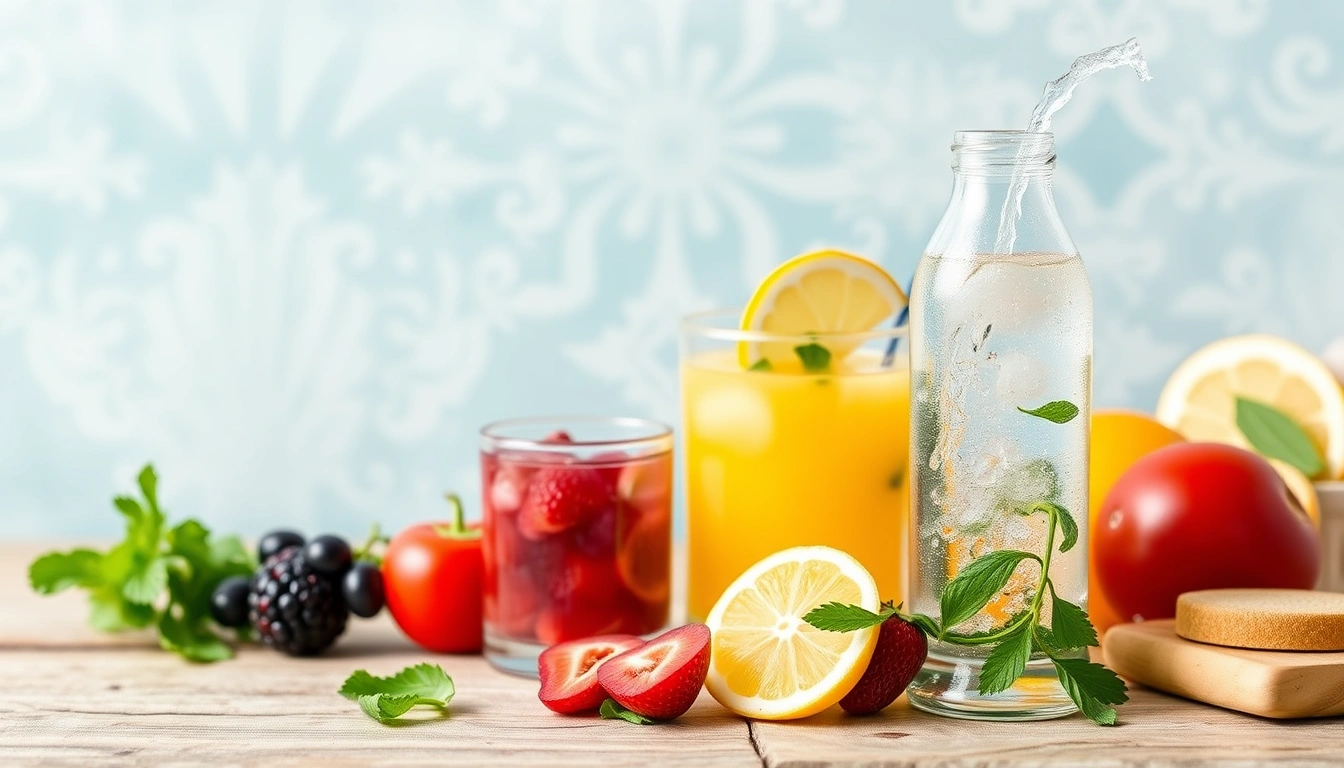
Most seniors do best with drinks because they are the easiest way to get fluid in consistently. If someone can swallow safely and does not have a fluid restriction, drinks should do most of the work. I would make that the default for older adults who forget to drink, tire easily, or do not want to eat much.
Usually, the strongest options are also the plainest. Water is still the baseline. Milk and fortified soy milk can hydrate while also adding protein and calories, which matters if weight loss is part of the picture. Broth, milk-based beverages, and diluted juice can help when plain water feels boring. Herbal teas and warm drinks often work well for people who dislike cold liquids. Oral rehydration solutions have a narrower job: they are useful when fluid loss is higher than normal, such as with vomiting or diarrhea, because they replace both water and electrolytes. For a medically conservative reference, see the Mayo Clinic’s explanation of oral rehydration and the CDC’s guidance on dehydration and illness.
The downside is real. Drinks can be used badly, or overused. Sweet drinks can push blood sugar up fast. Caffeinated drinks may bother some people, especially if they worsen urgency, sleep, or heart palpitations. Alcohol is not a hydration tool. Very salty broth can be a problem for people with heart failure, high blood pressure, or kidney disease. Thin liquids can also be unsafe for people with swallowing difficulty, which is not rare in older age.
Who should skip a drink-first approach? Anyone with a prescribed fluid restriction, significant swallowing problems, repeated coughing during meals, or a medical condition that makes fluid balance delicate. In those cases, the right beverage may still be a drink, but it should be chosen with clinical guidance rather than preference alone.
My rule is simple: if the senior can drink safely and has no restriction, choose drinks as the main hydration tool. For seniors with chronic illness, swallowing difficulty, or frequent fluid loss, the drink list needs to be more deliberate. And yes, that means checking labels.
Hydrating Foods for Seniors: The Specific Situations Where They Win
Hydrating foods win when eating is easier than drinking, or when drinking is happening too slowly to be useful. That is especially true for seniors with low appetite, dry mouth, fatigue, nausea, chewing trouble, or a habit of sipping only a little at a time.
The best choices are usually soft, moist, and familiar, though the right pick still depends on chewing, swallowing, and medical needs. Think watermelon, cantaloupe, oranges, grapes, berries, peaches, cucumbers, tomatoes, lettuce, zucchini, celery, soups, stews, yogurt, cottage cheese, applesauce, pudding, gelatin, and oatmeal made with enough liquid to stay soft. These foods do two jobs at once: they provide fluid and they are often easier to accept than another glass of water.
This is where generic advice goes off the rails. People say “eat more fruit and vegetables” as if that solves everything. It does not, because texture matters as much as water content. A crisp apple is hydrating in theory, but it may be hard to chew. A bowl of soup may be excellent, but only if the sodium level fits the person’s medical needs and they can manage the temperature and texture. A senior with dentures, jaw pain, or Parkinson’s disease may do better with foods that are soft and spoonable rather than crunchy or slippery. Crunch versus spoon. Not even close.
I also like hydrating foods for seniors who “forget” to drink but will eat at meals. A bowl of fruit at breakfast, soup at lunch, and fruit or yogurt at snack time can quietly add fluid without turning hydration into a constant argument. That matters for caregivers, because compliance is not about moral willpower. It is about what the person will actually take in day after day.
The downside is that food hydration is harder to measure. A person may feel they ate “enough” while still falling short on fluid. Food can also be too filling if the goal is to maintain calories and protein separately. And if appetite is poor, high-fiber produce may cause gas or fullness before enough fluid is consumed.
I use hydrating foods as the second layer: useful for topping up intake, improving comfort, and making hydration more pleasant. They are not a stand-alone solution when dehydration is already showing up.
The Honest Side-by-Side

If I had to choose one approach as the main strategy, I would choose drinks for most seniors and foods as the backup and support. Drinks are easier to aim, easier to repeat, and easier to boost when fluid needs are clearly high. Foods are better when drinking is unpleasant or when appetite and hydration need to be improved together.
| Criteria | Hydrating Drinks | Hydrating Foods | Winner for [condition] |
|---|---|---|---|
| Speed of fluid delivery | Faster absorption and easier to sip often | Slower, tied to eating pace | Drinks for quick fluid replacement |
| Ease of tracking intake | Easier to estimate in cups or bottles | Harder to measure precisely | Drinks for caregivers monitoring hydration |
| Best for low appetite | Can still feel like “one more thing” | Often easier if the person is already eating small meals | Foods when meals are the main opportunity |
| Best for dry mouth | Water, milk, tea, or ice chips can soothe quickly | Soft foods help, but less immediately | Drinks for immediate relief |
| Swallowing safety | Can be risky if thin liquids are hard to swallow | Soft, moist foods may be safer for some people | Foods when a speech therapist has recommended them |
| Electrolyte replacement | Oral rehydration drinks can help after fluid loss | Usually less direct | Drinks after vomiting, diarrhea, or heavy sweating |
| Nutrient density | Can be light or nutrient-rich depending on the choice | Often adds fiber, vitamins, and calories | Foods for added nutrition |
| Risk of overdoing sugar or sodium | Sweet drinks and salty broths can be a problem | Processed foods can also be high in sodium or sugar | Depends on the exact product, but both need labels checked |
| Convenience between meals | Easy to carry and sip | Less convenient unless prepped in advance | Drinks for all-day use |
| Works when chewing is difficult | Usually yes, if swallowing is safe | Only if the food is soft or pureed | Drinks for chewing problems |
The table points to a practical conclusion: drinks are the engine, foods are the support system. Try to make foods do all the work, and you may miss the mark. Rely only on drinks, and nutrition, appetite, and comfort can get sidelined.
Hydrating Drinks: The Specific Situations Where They Win
Hydrating drinks win when the person needs predictable fluid intake and can swallow safely. They are especially useful for seniors who are chronically under-drinking, live alone, get distracted, or resist eating but will accept a glass at mealtime. Drinks also win when the body is actively losing fluid. That includes fever, diarrhea, vomiting, hot weather, and some medication effects. In those situations, the fluid has to come in quickly and consistently.
The strongest everyday choice is still water, because it is simple, low-cost, and usually well tolerated. I also like milk and fortified plant milks when the goal is to add protein or calories along with fluid. Low-sugar smoothies can work if chewing is difficult, though they are not ideal for everyone with diabetes or poor appetite because they can be filling. Herbal tea and warm beverages are often underrated for seniors who dislike cold drinks or have trouble getting started in the morning. Ice chips, popsicles, and diluted juices can help in small sips when a full glass feels like too much.
The drawbacks are real. Some drinks are closer to dessert than hydration. Juice, sweet tea, soda, and many bottled drinks can add a lot of sugar without fixing the actual hydration problem. Caffeinated drinks may be fine in moderation for some people, but they are not my first choice when dehydration is already on the table. They can also disrupt sleep, which matters because poor sleep makes fatigue and confusion worse. And when a senior has heart failure, kidney disease, or another condition that limits fluids or sodium, the “best” drink changes fast.
Who should use drink-first hydration? Seniors who need simple routines, caregivers who want easy monitoring, and anyone who is losing fluid faster than usual but can still swallow safely. Who should not? A person with known dysphagia, a fluid restriction, or a medical reason to avoid certain electrolytes, sugars, or sodium levels.
My practical recommendation: start with plain water, then broaden to drinks that solve a real problem, not just a flavor preference. If the person needs calories, choose milk or a smoothie. If they need replacement after illness, choose a proper rehydration drink. If they need comfort, choose warm tea or broth, but keep an eye on sugar and sodium.
Hydrating Foods: The Specific Situations Where They Win
Hydrating foods win when the person is more likely to eat than drink, or when fluids need to come wrapped in something that feels like food. That is common in older adults with poor appetite, medication-related dry mouth, depression, fatigue, dental problems, or mild swallowing difficulty. Foods can also help when the problem is not only hydration but overall intake. A person who is losing weight or skipping meals may do better with foods that carry water plus nutrients.
My strongest choices are soft fruits, cooked vegetables, soups, yogurt, oatmeal, cottage cheese, applesauce, and moist casseroles. These are useful because they are familiar, gentle, and easy to portion into small servings. Water-rich produce such as melon, oranges, berries, cucumber, tomato, and zucchini can work well if chewing is not an issue. Broth-based soups can be excellent when sodium levels are acceptable. For people with limited appetite, a few spoonfuls at several points in the day may work better than a large meal.
The weakness is that foods are slower and more variable. A bowl of watermelon may sound hydrating, but the actual fluid intake depends on portion size, appetite, and how much of the meal gets left behind. Foods also introduce more room for mismatch. A senior with diabetes may need to be careful with fruit portions. Someone with heart failure may need to limit sodium in soups. Someone with reflux may find acidic foods irritating. Someone with swallowing problems may need texture changes that alter the food completely.
This is why I do not treat hydrating foods as a casual “healthy snacks” category. They have to be matched to the person, and if the issue may involve swallowing, appetite loss, medication side effects, dental pain, or nausea, it is wise to consult a professional such as a doctor, dietitian, or speech-language pathologist. A soft fruit salad may be perfect for one senior and wrong for another who needs calorie-dense, low-volume foods instead. A bowl of soup may be great at lunch and a bad idea at bedtime if it triggers nighttime bathroom trips or reflux.
My recommendation is to use hydrating foods as a way to make hydration less laborious. If the person is already eating, add water-rich foods to the plate. If the person is not eating much, use foods that are easy to spoon, easy to chew, and easy to finish.
Our Verdict: Which One to Choose and Why
Choose drinks if the senior can swallow safely and needs the most reliable way to raise fluid intake. Choose foods if the senior already eats small amounts but resists drinking, has a low appetite, or gets more hydration value from soft, moist foods than from another glass. Neither if the senior has repeated choking, a medical fluid restriction, severe vomiting, or confusion that makes dehydration a possible emergency — those are situations for medical advice, not a kitchen fix.
My own call is clear: drinks should do the heavy lifting, and hydrating foods should fill the gaps. That is the most practical balance for most older adults. Drinks are easier to schedule, easier to monitor, and easier to increase when the day is going badly. Foods matter because they make hydration more comfortable and often improve nutrition at the same time. I would not pick one and ignore the other.
If I were helping a caregiver build a plan, I would start with three drinks the person will actually accept, then add two or three hydrating foods they already like. That is often enough to create a habit without turning every meal into a hydration project. The best plan is the one the person can repeat on an ordinary Tuesday, not the one that looks perfect in a brochure.
When to Reconsider This Choice Entirely
There are a few situations where the drink-versus-food question stops being the right question.
First, if the senior has signs of significant dehydration — confusion, marked weakness, very dark urine, dizziness, fainting, or not urinating much — the issue may need urgent medical attention. Home hydration may be part of the response, but it should not be the whole response.
Second, if swallowing is unsafe, the texture and thickness of both drinks and foods may need professional adjustment. Thin water may not be the right option. Neither may crunchy produce, dry crackers, or slippery soups. A speech-language pathologist is often the right person to assess this.
Third, if kidney disease, heart failure, liver disease, uncontrolled diabetes, or a fluid restriction is in the picture, the “best” hydration choice depends on the medical plan. Some people need more fluid. Others need closer limits. Some need sodium watched carefully. In those cases, advice from a clinician or dietitian is worth more than a generic list.
Fourth, if the real problem is not hydration but medication side effects, dental pain, nausea, depression, or difficulty getting to the bathroom, no food list will solve it alone. Those barriers need to be addressed directly. A person who drinks less because they fear incontinence will not improve just because you buy better fruit. If the cause may be medication side effects or dental pain, consult a clinician or pharmacist for individualized guidance.
A Practical Senior Hydration Plan I Would Actually Use
If I had to keep this simple, I would build the day around three layers.
- Baseline drinks: water, tea, milk, or another tolerated beverage at regular times.
- Hydrating foods: soup, yogurt, fruit, cooked vegetables, applesauce, or oatmeal.
- Targeted backup: oral rehydration solution when fluid loss is higher than normal, or clinician-guided options when there is a medical restriction.
I would also make the environment easier. Keep drinks visible. Use cups the person can hold. Serve small portions more often. Offer warm drinks if cold ones are ignored. Pair a

Leave a Reply