
Last updated: November 05, 2026
Quick answer: Hydration and constipation in seniors are often linked, and the most helpful first step is usually steady fluids through the day, paired with fiber, movement, and a regular toilet routine.
Hydration and constipation in seniors often improve together when fluids are paired with fiber, movement, and a regular toilet routine. A glass of water alone rarely fixes hard stools, but steady fluids can make stool softer and easier to pass, especially when poor intake is part of the problem.
Key takeaways
- Fluids matter most when constipation comes with dry, hard stool or long gaps between bowel movements.
- The goal is steady intake through the day, not trying to “catch up” with several large glasses at night.
- Warm drinks, prunes, and a fiber plan can help more than plain water alone for some people.
- A bathroom schedule and enough time on the toilet often matter as much as the drink in the cup.
- Laxatives can help, but they are not the first fix for every older adult.
- New constipation, pain, bleeding, vomiting, or a swollen belly needs medical review.
Why hydration matters so much for older adults with constipation
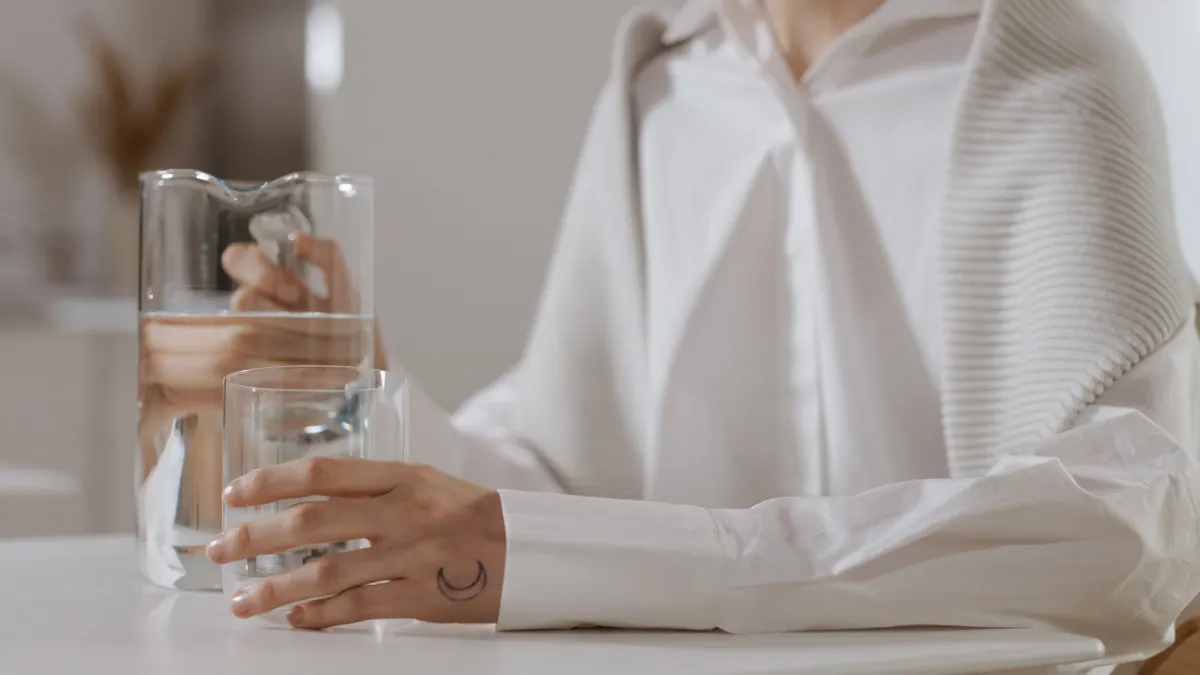
Hydration matters because the colon pulls water out of stool as it sits, and older adults often drink less than their body needs over the course of a day. When that happens, stool can become dry, small, and hard to move. That is why constipation relief through hydration is real, but incomplete on its own.
The simple version is this: less fluid in the system can mean less fluid left in stool. But constipation in seniors is rarely just a water problem. Low fiber, less walking, delayed bathroom trips, and medicines can all slow the bowel. If those pieces stay unchanged, drinking a little more may help only a little.
A useful clue is stool texture. Pebble-like stool, straining, and a feeling of incomplete emptying often point to dry stool and slow transit. In that case, hydration is one of the first things to fix. If the main issue is pain with bowel movements, sudden change in pattern, or repeated need for manual help, fluids alone are not enough and the cause deserves attention.
This is also where oversimplified advice goes wrong. “Drink more water” sounds easy, but forcing large amounts at once can backfire. It may fill the bladder, increase nighttime trips to the bathroom, and still not change stool consistency much. A steadier pattern works better: small amounts throughout the day, with food and between activities.
For a broad overview of how hydration supports multiple conditions, this guide fits into the larger hub on hydration support for health conditions. For older adults, the same principle applies in the article on hydration for seniors, which explains how to keep intake steady without overdoing it.
How to use hydration to ease constipation, step by step
Hydration works best when you treat it like a daily routine, not a rescue measure. Start with a regular pattern, add warm drinks when useful, and watch stool response over several days rather than expecting an immediate result after one glass. If constipation is severe, new, or tied to another illness, consult a clinician before relying on fluids alone; the NIH Office of Dietary Supplements notes that fluid needs vary by age and health status.
Source: NIH Office of Dietary Supplements, Water fact sheet.
-
Start the day with a full glass of fluid.
A mug or glass of about 8 ounces is a practical starting point for many people. Water is fine, but warm water, tea, or another nonalcoholic drink may be easier to take first thing. The result to expect is a small head start on daytime fluid intake. -
Spread drinks across the day instead of saving them for evening.
Aim for smaller amounts with breakfast, lunch, mid-afternoon, and dinner rather than a large catch-up before bed. This pattern is kinder to the bladder and more likely to keep stool soft. A cup with each meal is a simple rule that many people can follow. -
Pair fluids with fiber at the same meal.
If breakfast includes oatmeal, bran cereal, or fruit, add a drink with it. Fiber without fluid can make stool bulkier without making it easier to pass. The goal is to let fiber hold water in the stool instead of drying it out. -
Use warm drinks when the bowel feels sluggish.
Warm water, tea, or coffee can stimulate the bowel for some people, especially in the morning. The temperature does not “clean out” the colon, but it can trigger movement. A cup in the morning is often enough to notice whether the body responds. If coffee worsens reflux, shakiness, or sleep, check with a clinician or pharmacist about a better option; the Mayo Clinic notes that coffee can affect people differently.
Source: Mayo Clinic, Constipation. -
Keep a brief bowel routine.
Sit on the toilet 10 to 20 minutes after breakfast or another meal, when the gastrocolic reflex is strongest. Use a footstool if it helps the knees and hips bend comfortably. The result to expect is a better chance of natural bowel movement without straining. -
Check progress after 2 to 3 days, not 20 minutes.
Stool should become easier to pass if dehydration is part of the problem. If there is no change after a few days of better fluids and food, constipation may need more than hydration.
This approach is less dramatic than a purge, but it is usually more sustainable. It also avoids the common mistake of drinking only when the throat feels dry, which is a late sign and not a reliable guide for bowel health.
What drinks help older adults poop?
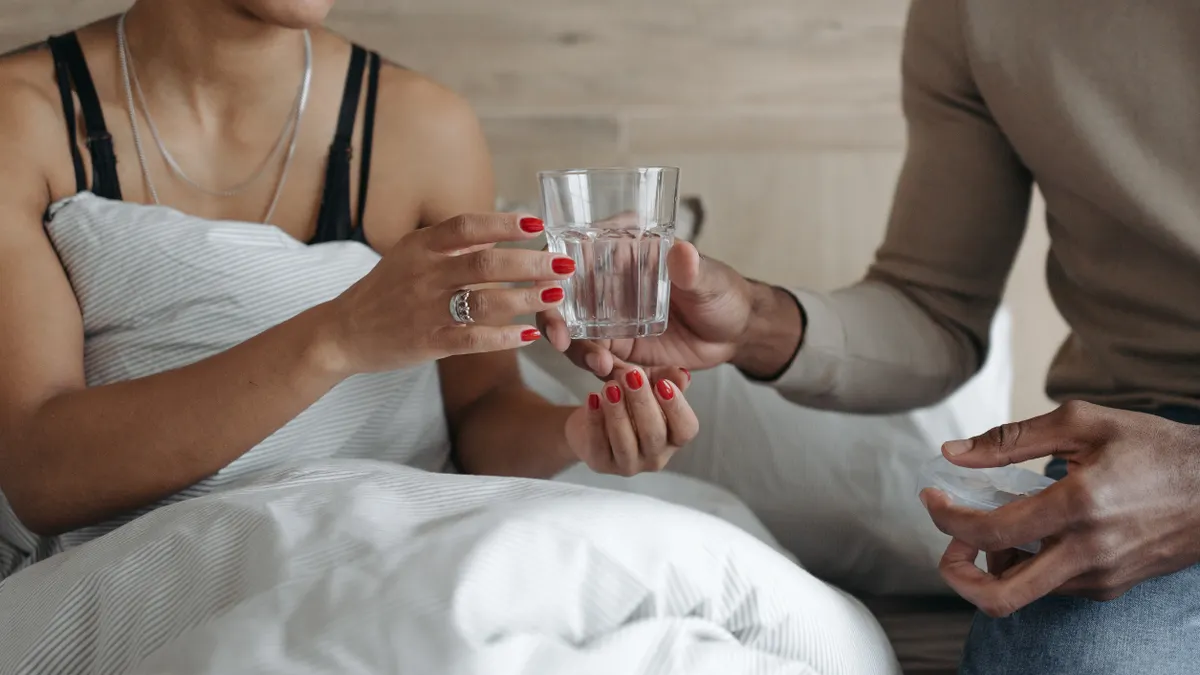
Warm water, coffee, tea, prune juice, and plain water are the drinks most likely to help older adults have a bowel movement. Each works a little differently, and none is magic by itself.
Warm water is often a good place to start. It is simple, cheap, and easy to tolerate. Many people find it more pleasant than cold water, which makes them drink more.
Coffee can stimulate the bowel in some adults. That effect can happen even with decaf for some people, though the response varies. Coffee is not a cure, and it can be a poor choice if it worsens reflux, shakiness, or sleep. If those issues are present, consult a professional about alternatives.
Tea can also help some people, mainly because it adds fluid and warmth.
Prune juice is the classic food-drink option because prunes contain sorbitol and fiber. For many seniors, a small serving works better than a large glass. Too much can cause cramping or loose stool, so it pays to start small.
Plain water still matters most if overall intake is low. It does not have to be bottled water or a special brand. Tap water is fine where it is safe and palatable.
What I would not count on is sports drinks or “detox” drinks. They are not the point here, and for many older adults they add sugar or sodium without solving the bowel problem. The better move is boring but useful: warm fluid, regular fluid, and a drink the person will actually finish.
Fiber and fluids: the combo that works better than either alone
Fiber and fluids work as a pair because fiber needs water to soften and bulk stool in a useful way. If fiber goes up and fluid stays low, constipation can get worse before it gets better.
A practical rule is to change one thing at a time and keep both modest. Start with familiar foods: oats, bran, beans, lentils, berries, pears, apples, and vegetables. If a senior suddenly adds a large amount of fiber, bloating and gas may follow. That is a trade-off, not a failure.
The body often responds better to food-based fiber than to a big supplement scoop. Psyllium is a common supplement and can help, but it must be taken with enough fluid. Without that, it can bulk up stool in the wrong way. If you use a supplement, follow the label closely and ask a clinician or pharmacist if there is any concern about swallowing trouble or bowel narrowing.
This is also where prune food and drink fit in well. Prunes bring both fiber and sorbitol, so they can work on two fronts. A few prunes with breakfast may be easier than a full glass of prune juice for someone who does not want extra sugar or volume.
A good sign that the fiber-fluid balance is right is stool that is softer but still formed, rather than watery diarrhea or hard pellets. If there is bloating, pain, or a sudden change in bowel pattern, the amount may be too high or the cause may be something else. That is the point to slow down, not push harder.
The toilet routine that makes hydration pay off
Hydration pays off best when the bathroom routine gives stool a chance to move. Sitting down at the right time can matter as much as what is in the glass.
The best window is often after breakfast or another meal, when the bowel naturally becomes more active. A 10- to 20-minute sit, without rushing, often works better than repeated quick visits. The body needs time to relax the pelvic floor and push stool forward.
Position matters. A footstool or short box under the feet can bring the knees up and help mimic a squat. That angle often reduces strain. Leaning forward with elbows on the knees can also make the rectum align better for passage.
What helps most here is consistency. A bathroom routine at the same time each day trains the body to expect the attempt. That is useful for seniors who have become afraid of straining or embarrassed by unpredictability. It also helps to avoid ignoring the urge, since delay gives the colon more time to pull water out of stool.
Common mistakes are easy to name:
- Waiting until the urge is strong before drinking all day. This costs you softer stool earlier in the day. Instead, spread fluids out.
- Sitting and straining for long stretches. This can worsen hemorrhoids and fatigue the pelvic floor. Instead, try 10 to 20 minutes, then get up.
- Using fiber without enough fluid. This can backfire and make stool bulkier. Instead, pair fiber with drinks at the same meal.
A routine like this is not dramatic, but it is one of the most reliable tools available.
When hydration is not enough, and laxatives enter the picture
Hydration is not enough when constipation is severe, longstanding, or tied to another medical problem. If stools are still hard after several days of better fluids and food, a laxative may be needed.
Over-the-counter laxatives come in different types. Osmotic laxatives draw water into the bowel; stimulant laxatives push the bowel to contract; stool softeners change consistency for some people but are often weaker than expected. A pharmacist or clinician can help match the type to the problem. The point is not to use one forever without a reason.
There are also honest limits to what fluids can do. If the bowels are blocked, if there is significant pain, if a person cannot keep fluids down, or if constipation appears suddenly after a long stable pattern, hydration should not be treated as the solution. Those situations need medical review.
This is especially true if there is blood in the stool, vomiting, a swollen abdomen, or no bowel movement for several days with increasing discomfort. Those are not “drink more water” problems. They are assessment problems.
Hydration also may not be the main issue if the person is eating very little, is barely moving, or has a bowel disorder that needs treatment. In those cases, better fluids still help, but they do not replace medical care. If the pattern is unclear, consult a clinician rather than guessing.
A practical standard is simple: if the bowel is only mildly off and the person is otherwise well, start with fluids, fiber, and routine. If the pattern is new, severe, or painful, get checked.
The plain answer: what helps most
The best help is steady fluid intake combined with fiber, movement, and a fixed toilet routine. Water alone is usually not enough, but it is still the foundation when constipation in seniors is tied to dry, hard stool.
Warm water, tea, coffee, and prunes can give an extra push for some people. A morning drink, a meal-based bowel routine, and a small rise in fiber often work better than chasing constipation with a single large dose of anything. Laxatives are useful when the problem does not respond, but they are the next step, not the first reflex.
The safest judgment is also the most practical one: if constipation is new, severe, or accompanied by pain, bleeding, vomiting, or belly swelling, hydration should not delay medical advice. For everyday constipation, though, this is one of the most useful places to start. For more on related bowel habits, see constipation in seniors and dehydration symptoms in older adults.
Can dehydration cause constipation?
Yes. Dehydration can contribute to constipation by making stool drier and harder to pass. It is not the only cause, and in seniors it often combines with low fiber, less movement, and delayed bathroom trips. If constipation is new or persistent, hydration may help but should not be the only thing considered.
How much water helps constipation in seniors?
There is no single amount that fits every senior. A practical target is steady fluid intake across the day, not a large amount at once, because that is easier on the bladder and more useful for stool softness. A clinician may give a different target for someone with fluid restrictions or another health condition.
What drinks help older adults poop?
Warm water, coffee, tea, prune juice, and plain water are the main drinks that may help. Warm drinks and prune juice are often the most useful when stool is hard. Coffee can stimulate the bowel for some people, but it is not ideal if it causes reflux, jitters, or sleep trouble.
Drafted with AI; not yet reviewed by a person.

Leave a Reply