
Last updated: October 20, 2026
Key Takeaways
- Start with tiny, frequent sips after a brief pause, then increase only if the stomach settles.
- Oral rehydration solution is often the best choice when water alone is not enough.
- Increase fluids gradually over 6 to 24 hours so the gut can settle before larger intake.
- Plain water alone does not replace electrolytes well after repeated fluid losses.
When an older adult has vomiting or diarrhea, the safest move is usually to restart fluids in tiny, frequent sips rather than gulping a full glass of water. Acute illness hydration is about getting fluid to stay down and replacing salts as well as water.
What to do first when fluids won’t stay down

Start with the stomach rest method: wait 15 to 30 minutes after the last vomit or loose stool, then begin with 1 to 2 teaspoons every 1 to 2 minutes. A teaspoon is about 5 mL, so this is a very small start on purpose.
Use a spoon, oral syringe, medicine cup, or small measuring cup so the amount stays controlled. If the person keeps the fluid down for 20 to 30 minutes, slowly increase to small sips, then a few mouthfuls. The result you want is not “feels normal”; it is that the stomach accepts fluid without another wave of vomiting.
Plain water can work for a short pause, but it is often not enough after repeated vomiting or diarrhea because it does not replace sodium and glucose in the right balance. Oral rehydration solution is the better first choice for many older adults because it is designed to be absorbed even when the gut is irritated. If a person has severe swallowing trouble, confusion, or keeps choking, stop and get medical help.
For broader safety context, the hub page on [Senior Hydration and Medical Safety] can support the bigger picture without replacing this acute illness guide.
How to use oral rehydration solution correctly
Oral rehydration solution is often the main drink to reach for after vomiting or diarrhea when hydration needs are more than plain water can handle. Use a commercial ORS packet or ready-made oral rehydration solution from a pharmacy, hospital, or grocery store shelf, and mix it exactly as directed on the label. The CDC and NHS both recommend oral rehydration for fluid loss from vomiting and diarrhea: CDC oral rehydration guidance, NHS diarrhoea and vomiting advice.
Begin with 1 tablespoon to 2 tablespoons every 5 minutes if teaspoons are too slow, or stay with teaspoon-sized sips if vomiting is active. The key is pace, not volume. A person who tolerates the first 30 minutes of sipping usually does better if the amount rises gradually over the next 2 to 4 hours.
Do not dilute ORS to “make it gentler” unless the label says to. Too much extra water lowers the salt content and weakens the point of the drink. Do not use alcohol, carbonated soda, or undiluted juice as the main fluid. Those can worsen diarrhea or irritate the stomach.
If the older adult has diabetes, kidney disease, heart failure, or a salt-restricted diet, oral rehydration still may be appropriate, but it should be used with more caution. Those conditions can change how much fluid is safe, so a primary care doctor should guide the plan if the illness lasts more than a few hours or if swelling, shortness of breath, or unusual sleepiness appears.
A simple step-by-step hydration plan for the next 6 to 24 hours
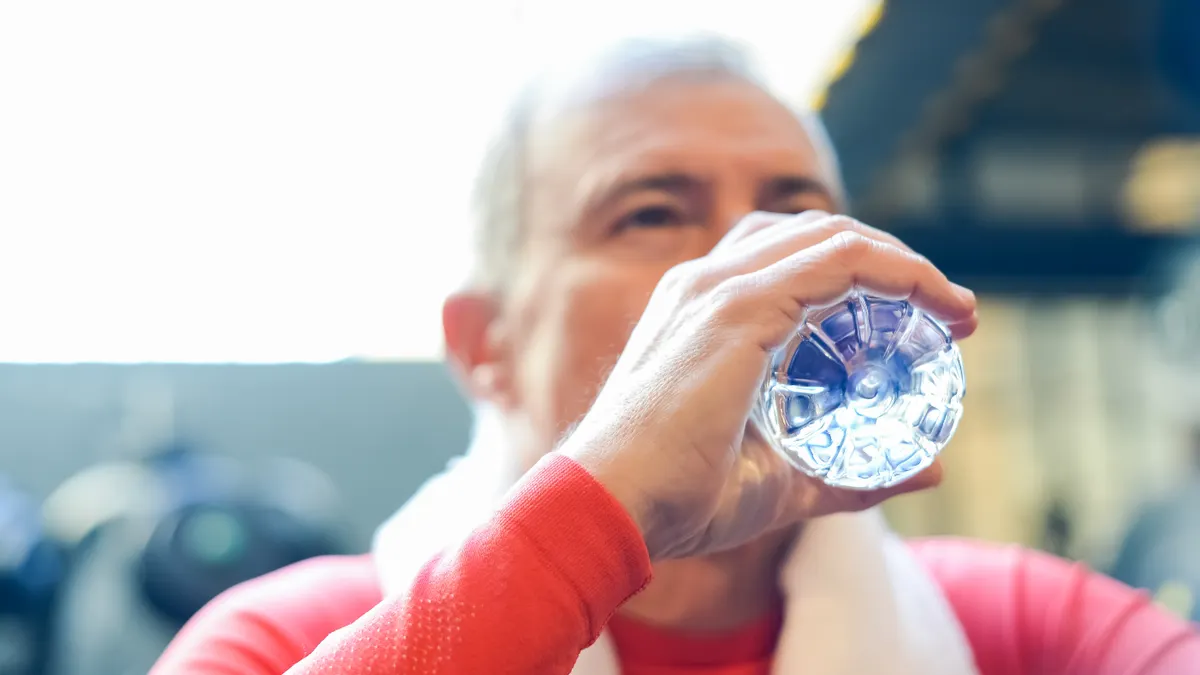
Use a slow escalation plan over the next 6 to 24 hours so the gut can settle before larger intake. The goal is steady retention, not speed.
- Set out the drink first: one bottle or packet of oral rehydration solution, a spoon or 30 mL medicine cup, and a timer. This can help reduce guessing and keep each dose small, but if you are unsure about the amount, consult a clinician or pharmacist.
- Wait 15 to 30 minutes after vomiting stops, then give 5 mL at a time. If that stays down, repeat every 1 to 2 minutes for 10 to 15 minutes.
- If there is no vomiting, increase to 15 mL to 30 mL every 5 minutes. A person who can swallow comfortably should be able to handle this without nausea getting worse.
- After a period of success, offer a somewhat larger amount at a time, still slowly. The sign that this step is working is fewer dry-mouth complaints and less dizziness when sitting up.
- Keep going through the day with small, scheduled drinks rather than large glasses. A common pattern is a few swallows every 10 to 15 minutes while awake.
- Pause the increase if nausea returns, then drop back to the last amount that stayed down for at least 20 minutes. That reset usually works better than forcing a bigger sip.
This plan is not for someone who is too sleepy to wake fully, has repeated vomiting for hours, or cannot keep even teaspoons down. In those cases, urgent care or emergency evaluation may be needed because oral hydration may not be enough.
When plain water is not enough after vomiting or diarrhea
Plain water is not enough when the illness has caused repeated losses, because water alone does not replace electrolytes in a useful way. That matters more in older adults, whose kidneys may handle fluid shifts less well and whose thirst signal may be weaker.
Use oral rehydration solution instead of plain water when any of these are true: vomiting continues after the first few sips; diarrhea is frequent enough that the person is losing fluid every hour; the mouth is very dry; the person feels weak on standing; or the urine becomes much darker and less frequent than usual. The exact urine pattern varies, but a clear drop in output over several hours is a warning sign.
If a person only wants water, that can be a start, but it should usually be followed by ORS as soon as possible. For many older adults, alternating a few sips of water with oral rehydration solution is easier than switching all at once. What does not help is chugging 12 to 16 ounces at one time, which can trigger more nausea.
Avoid fruit juice, sweet tea, and sports drinks as the main fix. They may taste easier, but the sugar load can pull water into the bowel and worsen diarrhea. Sports drinks are not the same thing as oral rehydration solution, even if they are sold next to it.
What to eat and when to try BRAT-style food
Try BRAT-style foods only after fluids have stayed down for several hours, not before. The usual foods are banana, rice, applesauce, and toast, and they are meant as a temporary bridge back to normal eating, not a full diet.
Start food when vomiting has stopped and the person can keep small sips down for 4 to 6 hours. Begin with a few bites, not a plate. Dry toast, plain crackers, rice, oatmeal, and applesauce are often easier than greasy or spicy food. A small meal every 2 to 3 hours is usually better than one larger serving.
Do not use food to replace fluids. A person can be eating and still be dehydrated. Keep the oral rehydration solution going between bites.
Skip heavy cream, fried food, alcohol, and high-fiber bran cereal until the stool starts to settle. Those foods can increase cramping or speed transit through the bowel. If the person has diabetes, choose bland foods that fit the glucose plan and check sugar more often than usual if the illness lasts beyond a single day.
When to seek urgent care or call the primary care doctor
Seek urgent care if the older adult cannot keep fluids down for 4 to 6 hours, has vomiting or diarrhea that keeps worsening, or seems more confused, faint, or hard to wake. Those are not signs to “push through.” They mean the hydration plan may need medical treatment, so consult a clinician promptly.
Call a primary care doctor sooner if the person has kidney disease, heart failure, diabetes, uses diuretics, or is on medicines that affect fluid balance. A clinician may want to adjust medicine doses, advise on safer fluid amounts, or check whether another illness is causing the vomiting or diarrhea.
Go in urgently if there is blood in the vomit or stool, severe belly pain, a swollen abdomen, chest pain, trouble breathing, or very little urine over several hours. Those symptoms can point to more than simple stomach flu.
This is also the point where older age changes the equation. A younger adult may recover from a short stomach bug with a day of sipping; an older adult can become depleted faster and may need evaluation before the situation turns into dehydration severe enough for IV fluids.
Common mistakes that make recovery slower
The biggest mistake is drinking too much too soon. A full glass sounds helpful, but it often triggers another round of vomiting and sets recovery back by hours. Smaller amounts, repeated on a timer, usually work better.
The next mistake is using only water for long enough that salt losses are not replaced. That can leave the person weak and still thirsty even after several cups. Oral rehydration solution is the better tool when vomiting or diarrhea is ongoing.
Another mistake is waiting for thirst before offering fluids. Older adults may not feel thirsty even when they are drying out. A scheduled plan every 5 to 15 minutes while awake works better than waiting for a request.
Food can also be mishandled. A heavy breakfast, greasy soup, or a large serving of raw vegetables can irritate the stomach and bowel. Keep the first foods bland, small, and low in fat.
One more error is assuming that “resting” fixes everything. Rest helps, but it does not replace fluid losses. If the person is getting weaker, more confused, or less able to stand, that is not a hydration success story; it is a reason to reassess and possibly seek urgent care.
What is the best drink after vomiting for an older adult?
A suitable oral rehydration solution is often the best drink after vomiting for an older adult. It replaces fluid and electrolytes in a way plain water does not. Start with 1 to 2 teaspoons every 1 to 2 minutes, then build up slowly if the stomach settles. If vomiting keeps returning, medical advice is safer than forcing more fluid.
When should diarrhea in a senior become a medical emergency?
Diarrhea becomes a medical emergency when it comes with confusion, fainting, severe weakness, chest pain, bloody stool, severe belly pain, or very little urine over several hours. It is also urgent if the person cannot keep fluids down for 4 to 6 hours. Older adults can dehydrate faster, so a low threshold for care is wise.
How much should an elderly person sip after vomiting?
An elderly person should usually start with 5 mL, or about 1 teaspoon, every 1 to 2 minutes after vomiting stops. If that stays down, the amount can rise to 15 to 30 mL every 5 minutes, then more as tolerated. The right amount is the most the stomach accepts without bringing nausea back.
Drafted with AI; not yet reviewed by a person.

Leave a Reply